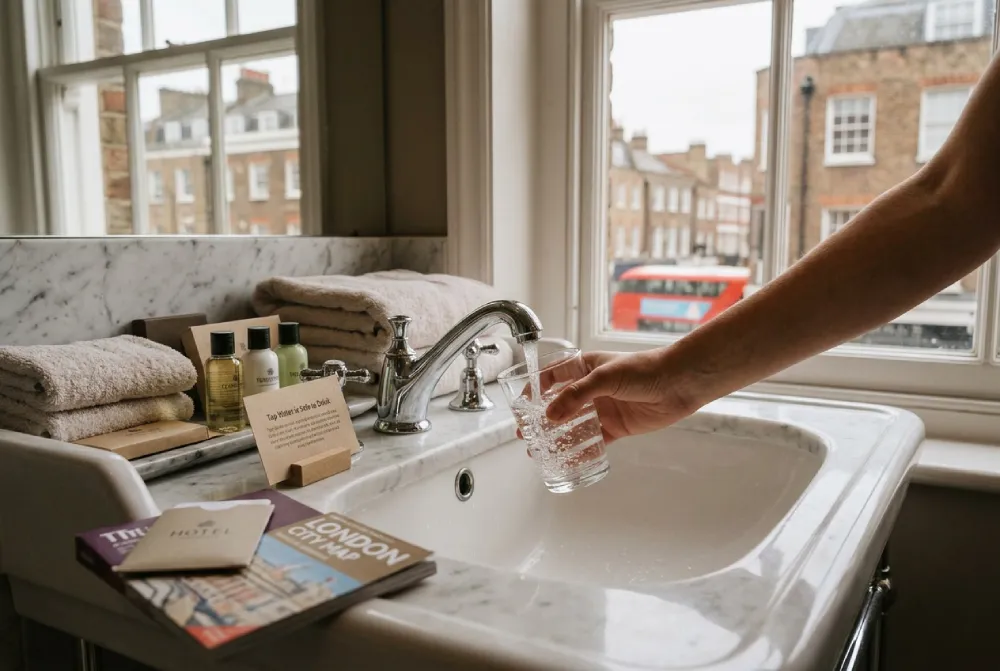
Can I Drink Tap Water in London Hotel Rooms: Expert Safety Checklist
Yes. London’s public mains tap water is normally safe to drink without boiling. In a hotel, the safest choice is fresh cold water from a tap...

Forhad Ahmed
Author & Travel Expert

Travel has gotten more expensive — there's no point pretending otherwise. UK flights are up, European hotels have rebased to a new normal, and even a long weekend in Paris now costs what a week in Lisbon did five years ago. So if your travel budget feels tighter than ever, you are not imagining it. The good news? There is a list of countries where your money goes the furthest in 2026 — places where £40 a day buys a comfortable hotel, two excellent meals out, and proper adventures, not packet noodles in a hostel.
This guide ranks 15 of the best-value countries on earth right now, with real GBP daily budgets, regional breakdowns, hidden costs to watch, and a full luxury-for-less section. Every figure is based on Numbeo, World Bank cost-of-living data and current 2026 exchange rates — not numbers we recycled from 2022.
Skip to the comparison table for a quick scan, the regional breakdown if you've got a continent in mind, or the luxury section if you want to know where £80 a day still feels like a five-star holiday. Let's get into it.
All figures are GBP, per person, per day, for a comfortable mid-range trip (3-star hotel or quality guesthouse, two restaurant meals, local transport, one paid attraction). Backpacker and affordable-luxury figures are noted in each country's section below.
Country | Avg Daily Budget | Hotel Cost | Meal Cost | Transport | Best For |
Vietnam | £35–£50 | £18–£35 | £3–£8 | £1–£3 | Backpackers, foodies |
Indonesia (Bali) | £40–£60 | £20–£45 | £4–£10 | £2–£5 | All-rounder, surfers |
Türkiye | £35–£55 | £20–£40 | £5–£12 | £1–£4 | Culture, beaches, food |
Egypt | £40–£60 | £25–£45 | £4–£10 | £1–£3 | History, Red Sea, value luxury |
Sri Lanka | £30–£50 | £15–£35 | £3–£8 | £1–£3 | Beaches, surf, culture |
Cambodia | £30–£45 | £15–£30 | £3–£7 | £1–£3 | Backpackers, temples |
Laos | £30–£45 | £15–£30 | £3–£7 | £1–£3 | Slow travel, nature |
Nepal | £25–£40 | £12–£25 | £2–£6 | £1–£2 | Trekking, backpackers |
Mexico | £45–£70 | £25–£60 | £5–£14 | £1–£4 | Beaches, food, culture |
Bolivia | £30–£45 | £15–£30 | £3–£7 | £1–£3 | Adventure travel |
Colombia | £40–£60 | £25–£45 | £4–£10 | £1–£3 | Culture, coffee, coast |
Argentina | £40–£65 | £30–£55 | £5–£12 | £1–£4 | Wine, food, cities |
Albania | £35–£55 | £20–£40 | £5–£12 | £1–£3 | Beaches, value Europe |
Bulgaria | £40–£60 | £25–£45 | £5–£12 | £1–£3 | Cities, mountains, sea |
Georgia | £35–£55 | £20–£40 | £4–£10 | £1–£3 | Wine, mountains, culture |
Vietnam has been the best-value major travel destination on earth for years, and in 2026 it still is. With £1 buying around 35,500 Vietnamese dong, your money simply stretches in a way it does almost nowhere else. Add brilliant food, an extraordinary coastline and three radically different regions in one country, and Vietnam is the answer to almost everyone's 'where can I afford to go for a month?'
A weak dong against the pound, low cost of living, abundant local accommodation and £1–£2 street food meals that beat most £25 dishes back home.
• Backpacker daily budget: £18–£28 per person
• Mid-range comfort: £35–£50 per person
• Affordable luxury: £70–£110 per person (5-star hotels included)
• Hotel: £18–£35 mid-range; £4–£10 hostel dorm
• Meal: £1.50–£3 street food, £5–£8 restaurant
• Transport: £1–£3 city, £15–£30 long-distance sleeper bus or train
Hanoi for old-quarter atmosphere and the best pho on earth, Hoi An for tailoring and beach access, Ho Chi Minh City for energy and food, Ninh Binh for emerald limestone landscapes.
• Best time to go: October to April (cooler, drier in the north). Avoid June–August in the south for monsoon.
• Best for: Backpackers, mid-range couples, foodies, digital nomads, families with older children.
• Use the Grab app for taxis and food delivery — it kills the price-haggling problem.
• Sleeper trains and buses save a hotel night and a domestic flight at once.
• Withdraw VND in larger amounts (5–7 million dong) to amortise the £4–£5 ATM fee.
• eSIMs from Airalo or Holafly cost less than SIM-cards-on-arrival deals at the airport.
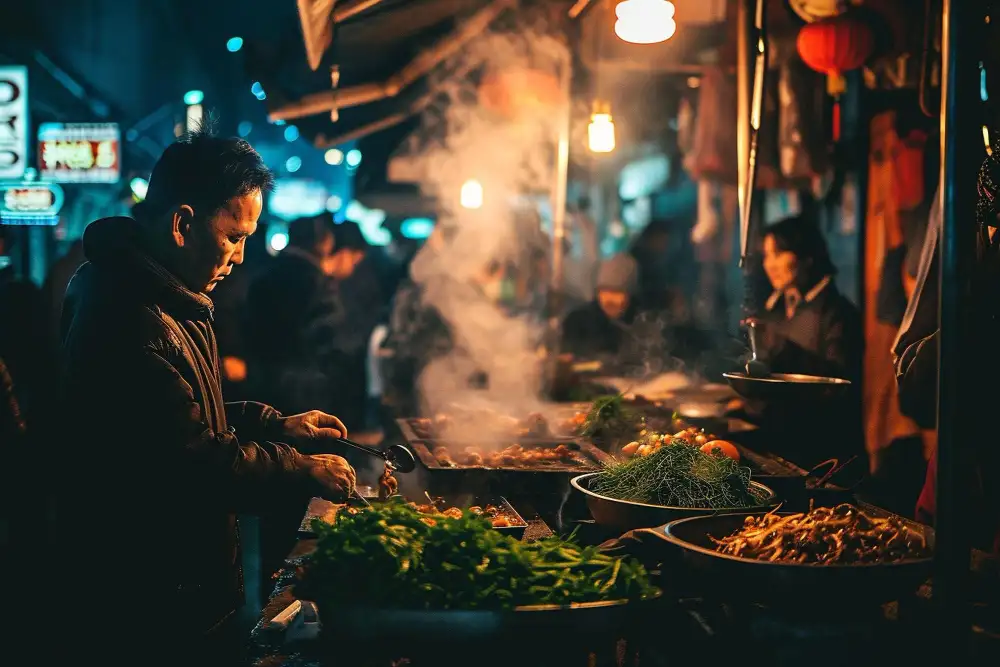
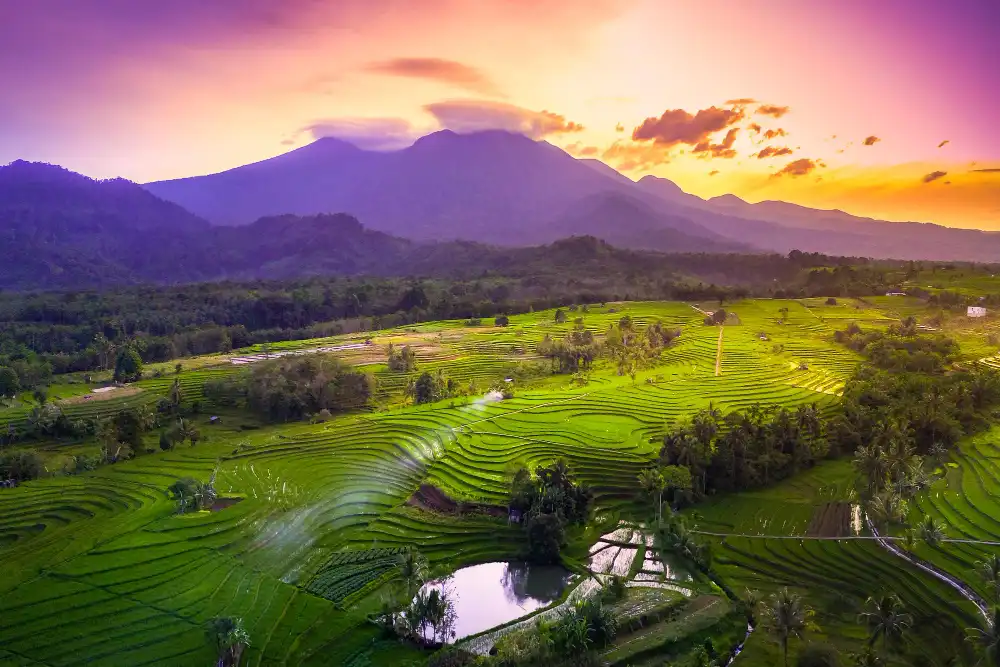
Bali still gets the headlines, but the value story in Indonesia stretches well beyond it. Java, Lombok, Flores, Sumatra and the Gilis all offer excellent value with the bonus of fewer crowds. In 2026 a proper villa stay in Bali — pool, breakfast, motorbike rental — sits at around £40–£60 a night, which is half what an equivalent in Greece costs.
A favourable rupiah, abundant guesthouse and villa supply, cheap local food, and a tourism economy that hasn't yet fully rebased pricing post-2024.
• Backpacker daily budget: £20–£32 per person
• Mid-range comfort: £40–£60 per person
• Affordable luxury: £80–£130 per person (private pool villas included)
• Hotel/villa: £20–£45 mid-range; £6–£12 hostel
• Meal: £2–£4 warung; £6–£10 restaurant
• Transport: £2–£5 GoJek/Grab in Bali; £1–£2 local
Ubud for culture and rice terraces, Canggu for beach-cafe-co-working life, Nusa Penida for dramatic coastline, Yogyakarta on Java for temples (Borobudur, Prambanan).
• Best time to go: April to October (dry season). Avoid January–February peak monsoon.
• Best for: All-rounder — backpackers, mid-range couples, families, digital nomads, surfers, wellness travellers.
• Use GoJek/Grab rather than street taxis — saves both money and arguments.
• Rent a scooter only if you're a confident rider; check your travel insurance covers it (most don't unless you have a motorcycle licence).
• Avoid eating in obvious tourist strips — walk one street back and prices halve.
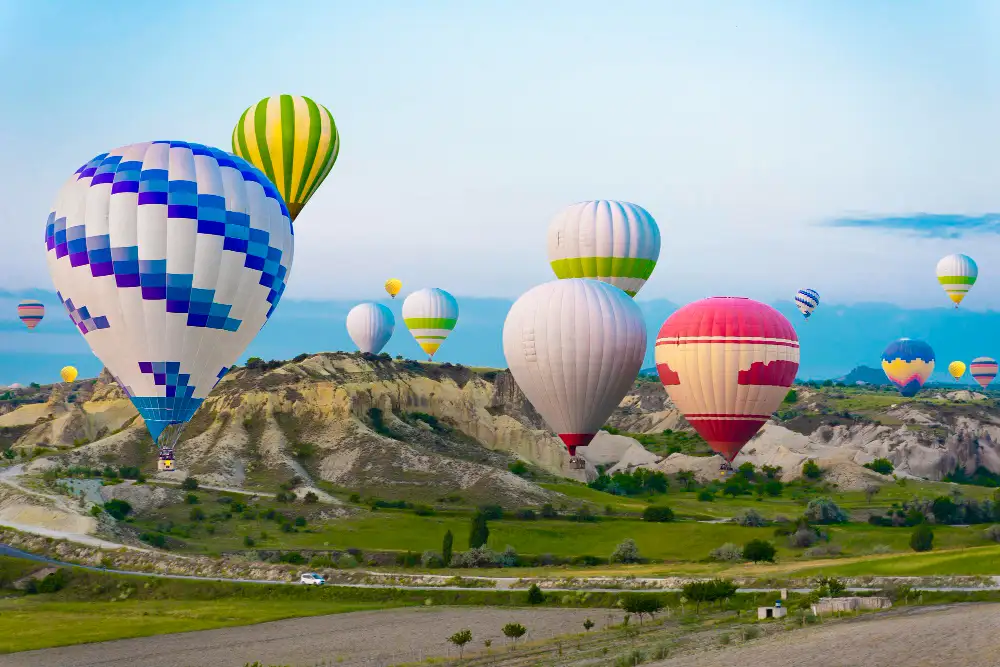
Türkiye's lira has weakened sharply over the past two years and shows no sign of recovering, which means GBP buys a lot of country. Istanbul remains one of the great cities on earth, and the south coast — from Antalya to Kaş — gives you Mediterranean beaches at a fraction of Greek or Italian prices. A 4-star hotel in Antalya in shoulder season can come in under £45 a night.
Severe lira depreciation against GBP since 2023; mature tourism infrastructure; brilliant value at every tier including 5-star.
• Backpacker daily budget: £20–£30 per person
• Mid-range comfort: £35–£55 per person
• Affordable luxury: £75–£120 per person
• Hotel: £20–£40 mid-range, £55–£90 4-star Med coast
• Meal: £4–£7 lokanta lunch, £8–£15 dinner
• Transport: £1–£4 city; long-distance overnight buses £10–£20
Istanbul for two continents, Cappadocia for the balloons, Antalya/Kaş for the coast, Bodrum for buzz, Ephesus for ancient ruins.
• Best time to go: April to June and September to October.
• Best for: Couples, families, history lovers, value-luxury travellers, beach holidaymakers.
• Pay everything in lira (not in euros or dollars at souvenir shops) — exchange rates 'on the floor' are usually punishing.
• All-inclusive Mediterranean resorts in Türkiye are genuinely cheaper than in Spain/Italy at the same star rating.
• Skip the 'Whirling Dervish' tourist shows in Istanbul; the real ceremony at Galata Mevlevihanesi is more authentic and cheaper.
• The new IST airport metro to Sultanahmet (~£3) replaces the £30 taxi ride.
Egypt is the country most people forget is now extraordinary value. The Egyptian pound has weakened dramatically against GBP, and Egypt's luxury hotels (Old Cataract in Aswan, Mena House by the Pyramids) are now bookable at half their pre-2023 GBP price. Add Red Sea diving, the Pyramids, Luxor and a Nile cruise and few destinations offer this much for the money in 2026.
Major Egyptian pound devaluation since 2023; oversupply of luxury hotels; cheap domestic flights.
• Backpacker daily budget: £22–£35 per person
• Mid-range comfort: £40–£60 per person
• Affordable luxury: £80–£140 per person (Nile cruise/5-star included)
• Hotel: £25–£45 mid-range; £80–£140 actual 5-star
• Meal: £3–£6 local; £8–£15 restaurant
• Transport: £1–£3 in cities; domestic flights from £35
Cairo for Pyramids and the Egyptian Museum, Luxor for the temples, Aswan for the Nile, Hurghada or Sharm el-Sheikh for the Red Sea.
• Best time to go: October to April (avoid summer — Egypt is genuinely brutal in July/August).
• Best for: History lovers, couples, value-luxury travellers, divers, multi-generational family trips.
• Book Nile cruises direct with reputable operators (Sanctuary, Oberoi) rather than via UK packages — typically 20–35% cheaper.
• Carry small Egyptian pound notes for tips — 'baksheesh' is unavoidable and adds up if you only have big bills.
• Skip airport taxis; use Uber/Careem (yes, both work in Cairo).
• Always agree taxi prices before getting in if you're outside an app.
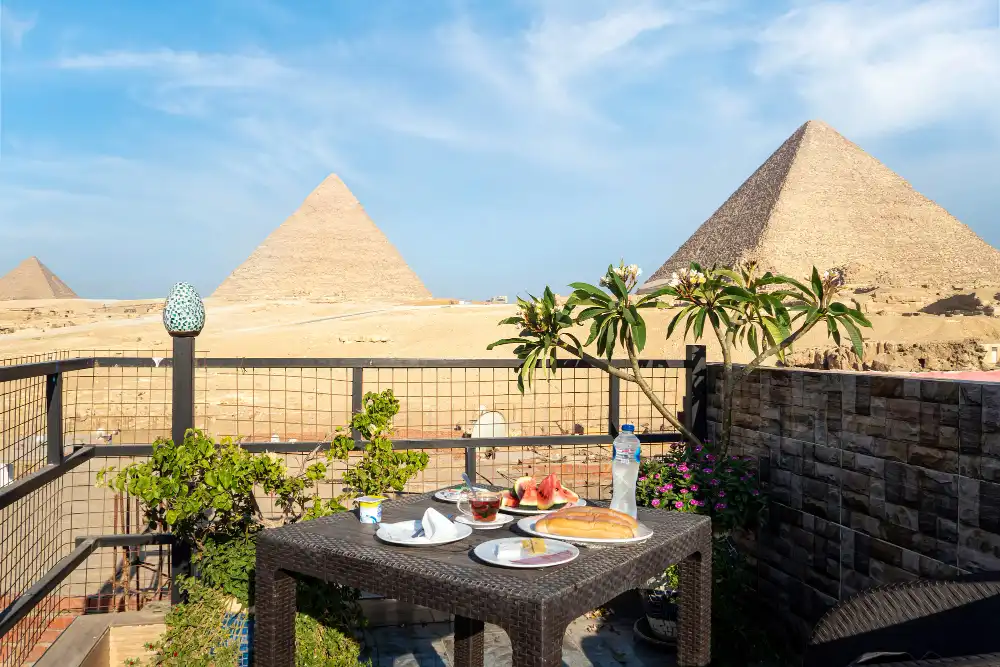
Sri Lanka packs an extraordinary range — beaches, hill country, surf, ancient ruins, wildlife — into one small island, and it remains one of South Asia's best-value destinations in 2026. Budget travellers can comfortably do £25 a day; mid-range couples £40–£50; even Sri Lanka's hot-list boutique hotels (Amanwella, Wild Coast Tented Lodge) cost half their Maldivian equivalents.
Stable rupee against GBP, low domestic prices, rapid mid-range hotel supply growth post-2023.
• Backpacker daily budget: £18–£28 per person
• Mid-range comfort: £30–£50 per person
• Affordable luxury: £75–£120 per person
• Hotel: £15–£35 mid-range; £6–£10 hostel
• Meal: £2–£5 local rice & curry; £6–£10 restaurant
• Transport: £2–£8 train (the Kandy–Ella line is one of the world's great train rides)
Colombo as gateway, Kandy for culture, Ella for hill country, Mirissa/Tangalle/Hiriketiya for beaches, Yala for wildlife.
• Best time to go: December to March for the south and west; May to September for the east coast.
• Best for: Backpackers, surfers, couples, families with older children, slow travellers.
• Take trains, not internal flights — the journeys are part of the trip.
• Eat 'rice and curry' for lunch at small local places (£2–£3) — it's the best food in the country.
• Tuk-tuks: agree the price first or use the PickMe app.
• Buy SIM/eSIM at Bandaranaike airport for around £5–£8.
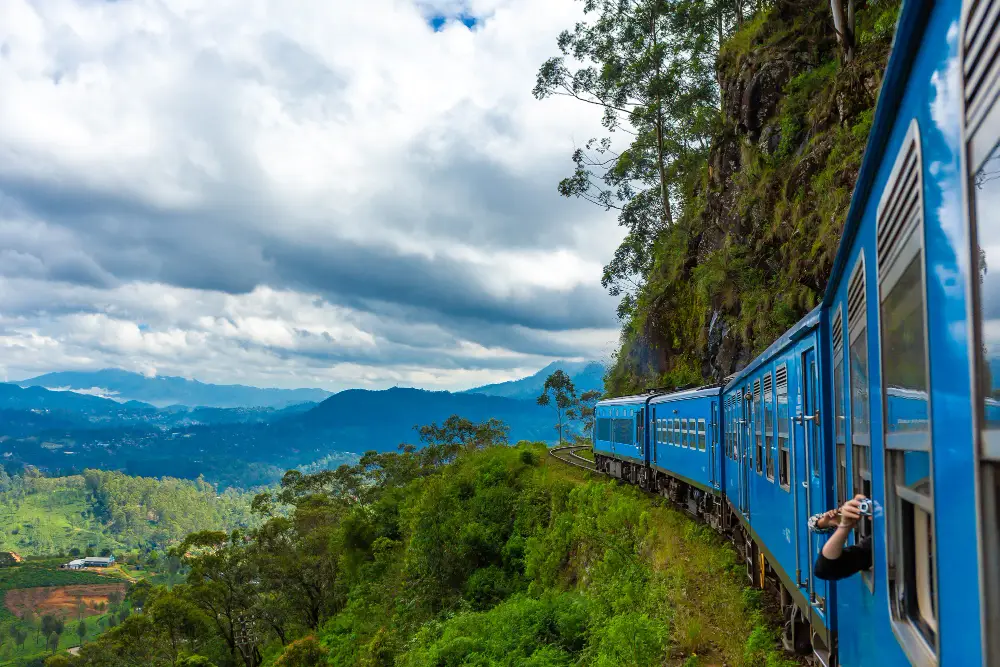
Cambodia gets less attention than Vietnam and Thailand, which is exactly why it's such good value. Angkor Wat alone is worth the trip; pair it with Phnom Penh, Battambang or the islands of Koh Rong, and you have a brilliant two-week trip on £30–£40 a day.
Low local costs, USD widely accepted (no exchange friction), low hotel supply pressure, cheap food.
• Backpacker daily budget: £18–£28 per person
• Mid-range comfort: £30–£45 per person
• Affordable luxury: £60–£100 per person
• Hotel: £15–£30 mid-range; £4–£8 hostel
• Meal: £2–£4 local; £6–£10 restaurant
• Transport: £1–£3 tuk-tuk; £8–£15 long-distance
Siem Reap (Angkor Wat), Phnom Penh, Battambang, Kampot, Koh Rong.
• Best time to go: November to March.
• Best for: Backpackers, couples, history lovers, slow travellers.
• Buy a 3-day Angkor Wat pass, not 1-day — gets you genuinely beyond the main temples.
• Tip in USD at hotels and on tours; tip in riel for tuk-tuks and small meals.
• Skip 'sunrise at Angkor' tours — go independently with your own tuk-tuk for half the price.

Laos rewards travellers who slow down. Luang Prabang's UNESCO old quarter, the new China-Laos railway, the 4,000 islands of the Mekong, and an unhurried pace make it one of the most rewarding low-budget countries in Asia. £30 a day works comfortably here.
Limited tourism infrastructure (in a good way), low food costs, cheap intercity travel via the new railway.
• Backpacker daily budget: £18–£28 per person
• Mid-range comfort: £30–£45 per person
• Affordable luxury: £55–£90 per person
• Hotel: £15–£30 mid-range; £4–£8 hostel
• Meal: £2–£4 local; £5–£8 restaurant
• Transport: £8–£20 train Vientiane–Luang Prabang
Luang Prabang, Vientiane, Vang Vieng, Pakse (gateway to 4,000 Islands).
• Best time to go: November to February.
• Best for: Slow travellers, backpackers, couples, photographers.
• Take the new China-Laos railway — fast, cheap and far better than the old buses.
• Get the Luang Prabang almsgiving ceremony etiquette right (sit silently, don't photograph faces close-up).
• Carry small US dollars for some borders — a fallback that always works.
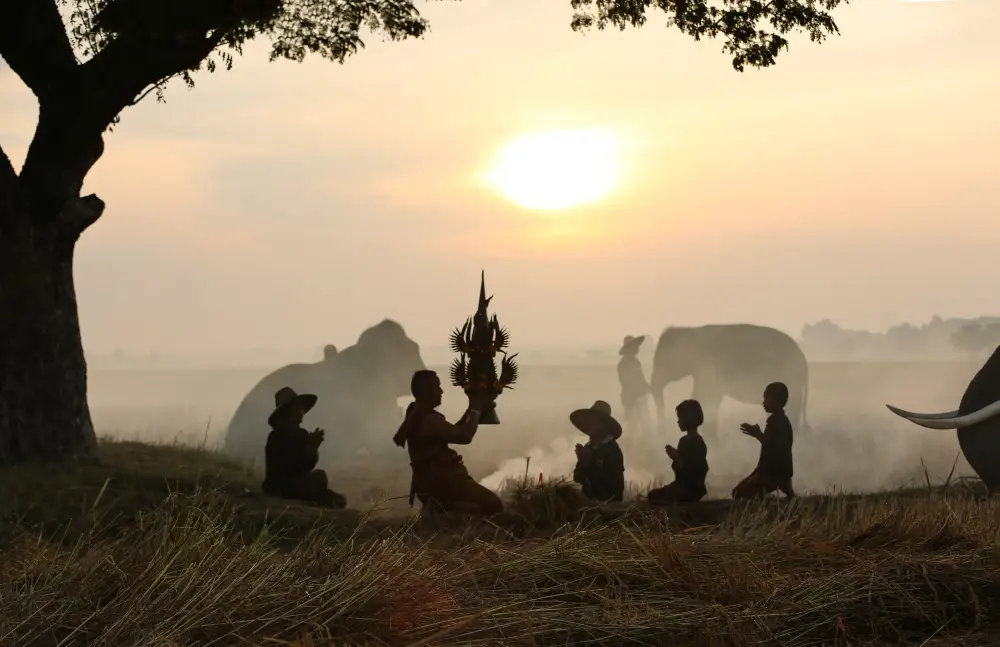
If you're a trekker, walker or someone who just wants the world's most dramatic mountains for a fraction of Patagonia's cost, Nepal is unmatched. Two weeks trekking the Annapurna or Everest base camp routes, including teahouses and guides, can come in under £600.
Very low local prices, well-developed teahouse trekking economy, no luxury price-creep.
• Backpacker daily budget: £15–£25 per person
• Mid-range comfort: £25–£40 per person
• Trekking with teahouses: £25–£40 per day all-in
• Hotel: £12–£25 mid-range Kathmandu/Pokhara
• Meal: £2–£5 local; £6–£10 tourist restaurant
• Transport: £8–£15 tourist bus Kathmandu–Pokhara
Kathmandu, Pokhara(gateway to Annapurna), Bandipur for slow travel, Lumbini.
• Best time to go: October to November and March to April for trekking.
• Best for: Backpackers, trekkers, photographers, adventure travellers.
• Hire a local guide direct rather than booking through a UK trekking company — typically 50–70% cheaper.
• Buy your TIMS and ACAP permits in Pokhara, not via agents in the UK.
• Carry rupees and small USD — ATMs are unreliable in mountain villages.
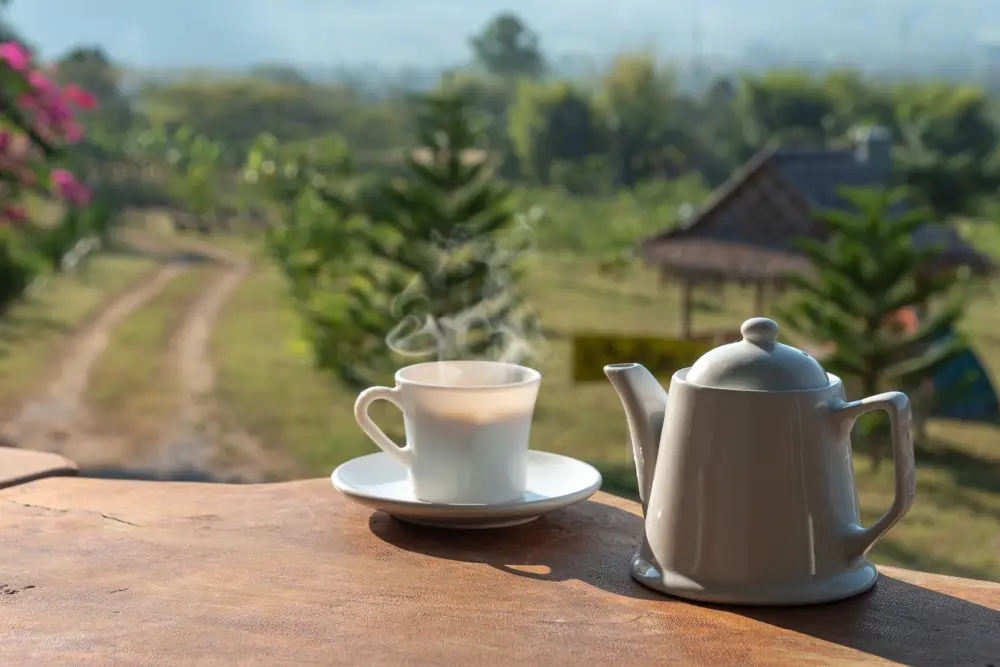
Mexico is bigger value than its reputation suggests, especially if you avoid the all-inclusive Cancún strip. Mexico City has world-class food at neighbourhood prices, Oaxaca punches above its weight for culture and cooking, and Yucatán's smaller towns (Mérida, Valladolid) offer colonial-style stays for a third of European equivalents.
Weak peso against GBP, mature tourism infrastructure, cheap excellent food, low domestic flights.
• Backpacker daily budget: £25–£40 per person
• Mid-range comfort: £45–£70 per person
• Affordable luxury: £90–£150 per person
• Hotel: £25–£60 mid-range; £10–£20 hostel
• Meal: £3–£8 taqueria; £10–£18 restaurant
• Transport: £1–£3 in cities; £15–£40 long-distance bus
Mexico City, Oaxaca, Mérida, Puerto Escondido, Tulum (off-season).
• Best time to go: November to April.
• Best for: Foodies, couples, families, mid-range travellers, culture lovers.
• Book ADO buses in advance for premium long-distance travel at low cost.
• Avoid currency exchange at airports — use ATMs at major banks.
• Always tip — 10–15% in restaurants, 20 pesos for hotel staff.
• Eat where the queue is locals, not tourists.
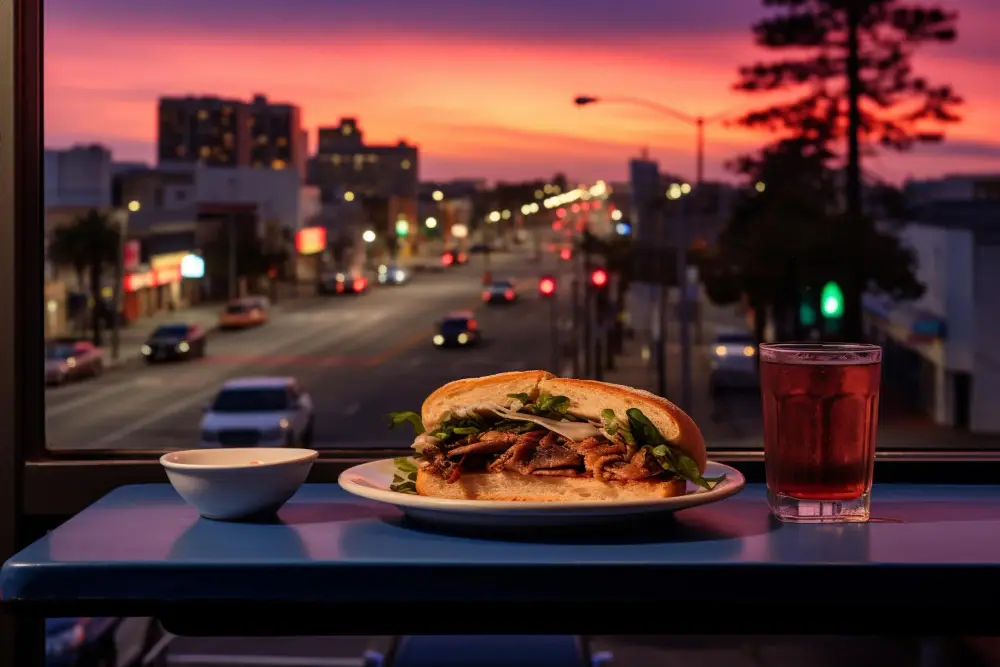
Bolivia remains South America's bargain. The Salar de Uyuni, La Paz at 3,650 metres, Sucre's white-walled colonial centre and the Amazon basin are all here, and a comfortable mid-range trip rarely tops £40 a day even in 2026.
Lowest cost of living in South America, very cheap food, fixed boliviano currency.
• Backpacker daily budget: £18–£28 per person
• Mid-range comfort: £30–£45 per person
• Affordable luxury: £60–£90 per person
• Hotel: £15–£30 mid-range; £6–£10 hostel
• Meal: £2–£5 local market; £6–£10 restaurant
• Transport: £8–£15 tourist bus; £40–£70 internal flight
La Paz, Sucre, Uyuni (for the salt flats), Copacabana (Lake Titicaca), Santa Cruz.
• Best time to go: May to October (dry season).
• Best for: Adventure travellers, backpackers, couples on a small budget, photographers.
• Acclimatise in Sucre (2,800m) before La Paz (3,650m) or Uyuni (3,700m).
• Bolivian buses are cheap but uncomfortable — pay extra for 'cama' (lie-flat) on overnight legs.
• Carry US dollars in cash — ATMs are unreliable outside major cities.

Colombia has been the South American success story of the last decade, and the peso's continued weakness against GBP keeps it firmly on this list. Cartagena's old town for romance, Medellín for nightlife, the Coffee Triangle for green hills — all genuinely affordable in 2026.
Weak peso, low food and accommodation costs, growing mid-range hotel supply.
• Backpacker daily budget: £25–£35 per person
• Mid-range comfort: £40–£60 per person
• Affordable luxury: £80–£130 per person
• Hotel: £25–£45 mid-range; £10–£18 hostel
• Meal: £3–£6 local; £8–£15 restaurant
• Transport: £1–£3 city; £30–£60 internal flight
Cartagena, Medellín, Bogotá, Salento (Coffee Triangle), Tayrona.
• Best time to go: December to March, July to August.
• Best for: Couples, mid-range travellers, foodies, salsa fans, photographers.
• Book domestic flights with Avianca direct — usually cheaper than aggregators.
• Use Cabify/Uber rather than street taxis at night.
• Cartagena's old town is beautiful but priced for tourists; Getsemaní next door is half the price and arguably more atmospheric.
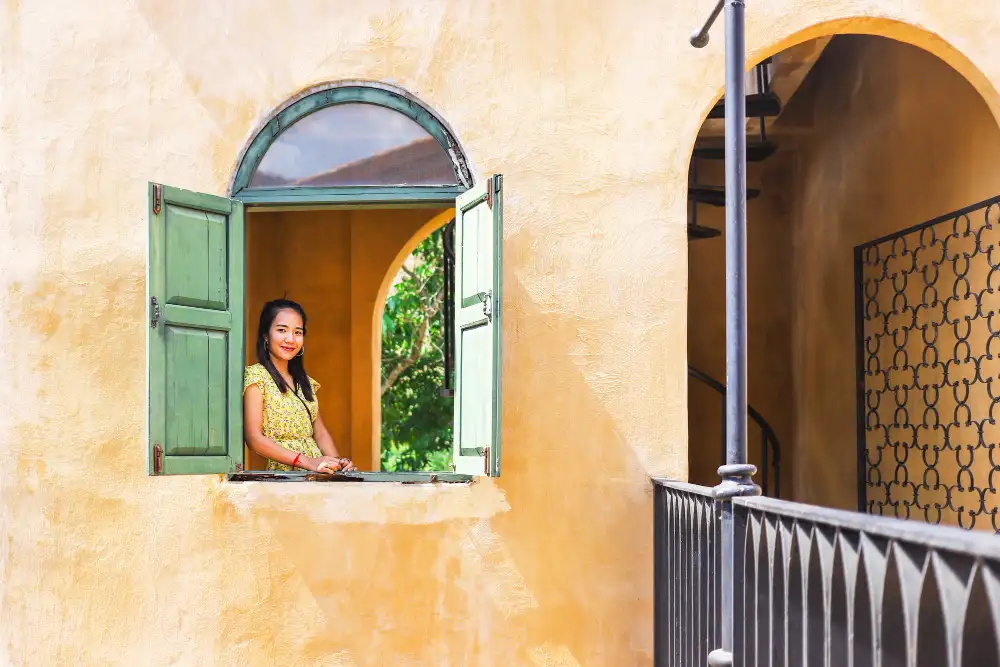
Argentina has gone through dramatic economic change, and in 2026 it remains one of the most surprising value destinations on the list, especially for steak, wine and Buenos Aires city life. Patagonia stays expensive, but the cities and Mendoza wine country are extraordinary value for what they deliver.
Severe peso weakness against GBP since 2023, meaning Argentine prices look frozen in 2018 to UK travellers.
• Backpacker daily budget: £22–£35 per person
• Mid-range comfort: £40–£65 per person
• Affordable luxury: £85–£140 per person
• Hotel: £30–£55 mid-range; £12–£22 hostel
• Meal: £5–£12 parrilla steak dinner with wine
• Transport: £1–£3 in Buenos Aires; £40–£80 internal flight
Buenos Aires, Mendoza (wine), Bariloche (Lakes District), Salta (north).
• Best time to go: October to April for Buenos Aires; December to March for Patagonia.
• Best for: Foodies, couples, mid-range travellers, wine lovers.
• Pay by card where possible to get the official ('MEP' equivalent) tourist exchange rate, which is now better than the old 'blue dollar' system.
• Steakhouses ('parrillas') are vastly better value than equivalent restaurants in Spain or Italy.
Domestic flights save days compared to overland — Argentina is enormous
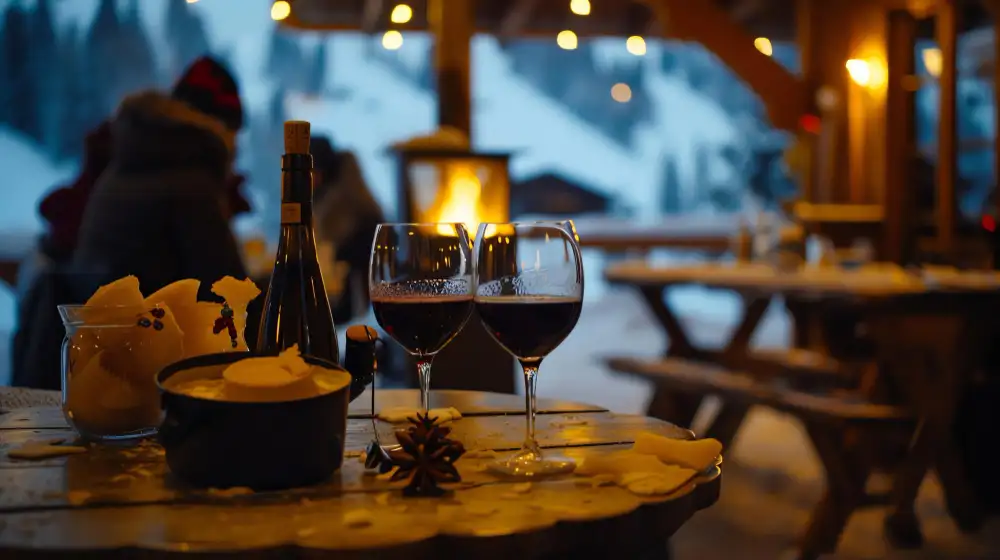
Albania is the rising star of European beach holidays. Ksamil's turquoise water rivals Greece next door, hotels cost a third of Croatia, and a week on the Albanian Riviera in shoulder season can come in under £450 per person all-in. 2026 is the last reasonable year to go before prices rebase.
Low cost base, oversupply of new mid-range hotel stock, weak lek against GBP, undeveloped luxury market.
• Backpacker daily budget: £25–£35 per person
• Mid-range comfort: £35–£55 per person
• Affordable luxury: £75–£120 per person
• Hotel: £20–£40 mid-range; £8–£15 hostel
• Meal: £5–£10 local; £10–£18 restaurant
• Transport: £1–£3 in cities; £6–£12 intercity bus
Tirana for the city break, Saranda/Ksamil for the beaches, Berat for UNESCO architecture, Theth/Valbona for the mountains.
• Best time to go: May to early July, late September.
• Best for: Couples, families, beach-holidaymakers, road-trippers.
• Hire a car in Tirana and drive the Riviera — public transport is sparse outside the main routes.
• Avoid August: Albanian and Italian holidaymakers fill every beach.
• Card payment isn't yet universal; carry euros and lek as a backup.
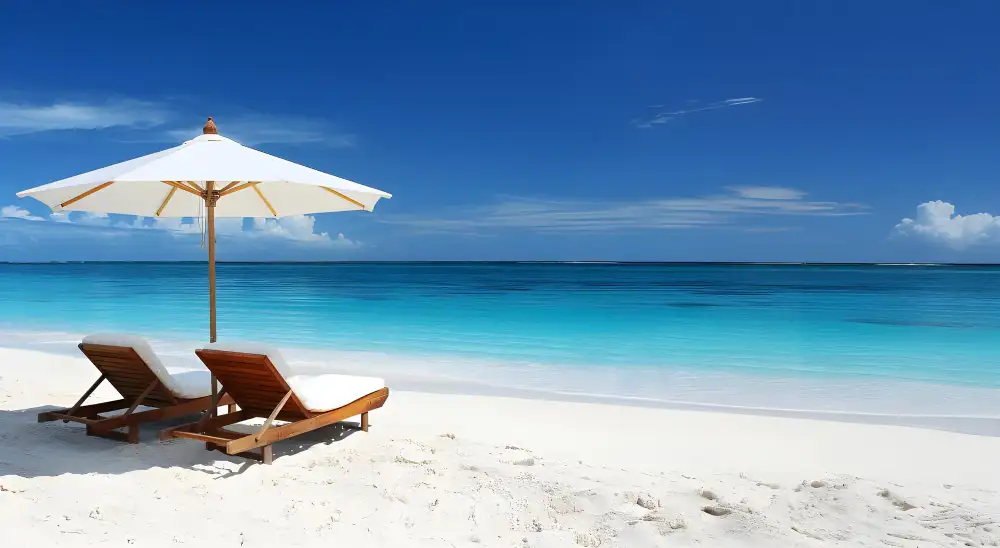
Bulgaria is the EU country where your money goes the furthest. Sofia for cities, the Black Sea coast (Sozopol, Nessebar) for beaches, and Bansko for ski-on-a-budget. Mid-range trips routinely come in under £55 a day, and ski packages undercut the Alps significantly.
Lowest prices in the EU, plus genuinely good food and infrastructure.
• Backpacker daily budget: £30–£40 per person
• Mid-range comfort: £40–£60 per person
• Affordable luxury: £70–£120 per person
• Hotel: £25–£45 mid-range; £12–£20 hostel
• Meal: £5–£10 local; £10–£18 restaurant
• Transport: £1–£3 in cities; £10–£20 intercity bus/train
Sofia, Plovdiv (one of Europe's oldest), Bansko (skiing), Sozopol/Nessebar (Black Sea).
• Best time to go: May to September (coast); January to March (skiing).
• Best for: Couples, families, skiers, value-conscious Europe travellers.
• Bansko ski passes are genuinely under €40/day — a Tuesday pre-purchase saves another 10–20%.
• Plovdiv's old town is quieter and cheaper than Sofia for a city break.
• Eat at 'mehana' traditional taverns rather than tourist restaurants for half the price and better food.
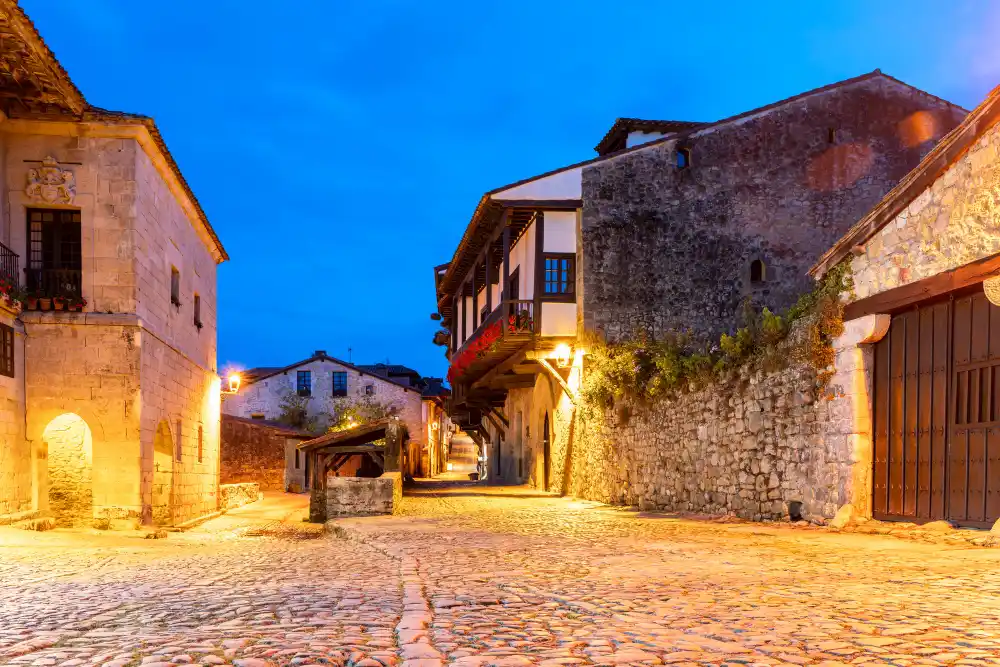
Georgia is what people who were in Croatia 20 years ago will tell you to go to next. Wine country in Kakheti, mountains in Svaneti, the buzzing capital Tbilisi, and one of the most distinctive food cultures in the world — and a daily budget that comfortably sits at £35–£45 in 2026.
Visa-free for UK passport holders for up to a year, very low cost of living, weak lari against GBP, brilliant wine and food.
• Backpacker daily budget: £20–£30 per person
• Mid-range comfort: £35–£55 per person
• Affordable luxury: £70–£110 per person
• Hotel: £20–£40 mid-range; £8–£15 hostel
• Meal: £4–£10 local; £10–£18 restaurant
• Transport: £1–£3 in Tbilisi; £8–£20 marshrutka long-distance
Tbilisi, Mtskheta, Kazbegi, Mestia (Svaneti), Kakheti wine region.
• Best time to go: May to October (lowlands); June to September (mountains).
• Best for: Foodies, wine lovers, hikers, digital nomads, slow travellers.
• Tbilisi is brilliant on foot but the metro at €0.20 is the cheapest in Europe — use it.
• Marshrutka shared minibuses are the local way to get between cities — cheap, frequent, occasionally chaotic.
• Buy wine direct from Kakheti vineyards rather than supermarkets — quality and value are far better.

For Europe in 2026, the strongest-value picks are Albania, Bulgaria, Georgia (technically transcontinental but Europe-style city travel), Türkiye, North Macedonia and Romania. Albania offers the best beach value, Bulgaria the cheapest EU experience, and Türkiye the best affordable-luxury proposition. Mid-range daily budgets across all three sit comfortably between £35 and £55.
Vietnam, Indonesia, Sri Lanka, Cambodia, Laos and Nepal lead the budget rankings in Asia. Vietnam wins on overall value (food + accommodation + experience), Indonesia on tropical-island variety, Nepal on bucket-list adventure for under £30 a day. Across the region, mid-range daily budgets of £30–£50 give you a genuinely comfortable trip.
Egypt sits comfortably at the top of the African value list in 2026 thanks to the Egyptian pound's continued weakness, which has made Nile cruises and 5-star hotels genuinely affordable. Morocco follows for short-haul value (Marrakesh, Fes, Essaouira), with Tunisia rebuilding its tourism economy. For East Africa, Tanzania remains expensive on safari but cheap in Zanzibar; Ethiopia offers extraordinary value for the adventurous.
Bolivia is the cheapest South American country in 2026, with comfortable mid-range trips at £30–£45 a day. Argentina is the surprise bargain for cities, food and wine. Colombia delivers strong all-round value, particularly off the Cartagena old-town strip. Peru sits middle of the pack — Lima is now expensive, but the Sacred Valley remains good value.
Affordable luxury — the bracket where a private pool villa, butler service or genuine 5-star hotel comes in under three figures a night — is a particular strength of seven countries on this list. If you want to feel pampered without the European luxury price tag, this is your shortlist for 2026.
• Türkiye: 5-star Mediterranean coastal hotels in Antalya/Bodrum from £80–£140 a night, often with all-inclusive options.
• Egypt: 5-star Nile cruise cabins from £100–£160 a night including all meals; legendary historic hotels (Old Cataract, Mena House) from £180–£280.
• Vietnam: Boutique hotels in Hanoi/Hoi An from £60–£110 with pool, breakfast, and service that genuinely earns the price.
• Indonesia (Bali): Private pool villas in Ubud or Canggu from £60–£100 a night, frequently with breakfast and twice-daily housekeeping.
• Sri Lanka: Boutique tea-country bungalows and beach lodges from £80–£140 — Maldivian-quality experiences for half the price.
• Mexico: Hacienda-style hotels in Yucatán from £80–£140 with full breakfast and pool.
• Bulgaria/Albania: 4-star European spa hotels and Riviera-front rooms from £55–£100, particularly in shoulder season.
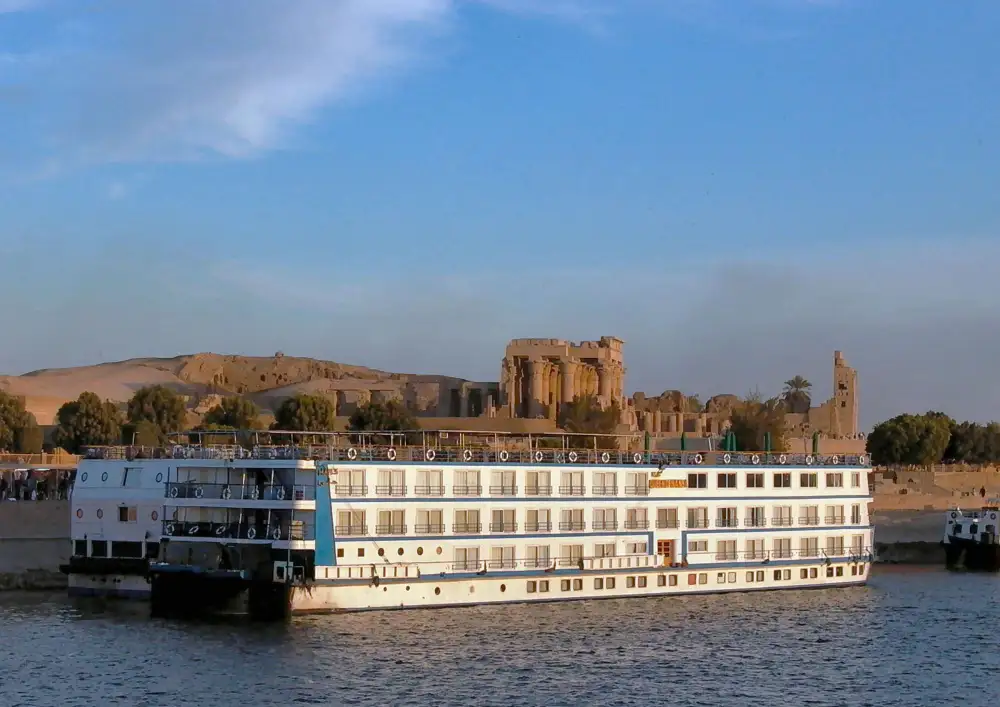
Currency strength is half the value story. If your home currency has appreciated against a destination's currency, your money buys more on the ground — even if local prices haven't changed. Below is where each of the major travel currencies has the biggest advantage in 2026.
GBP is currently strong against the Vietnamese dong, Egyptian pound, Argentine peso, Turkish lira, Sri Lankan rupee, Colombian peso and Indonesian rupiah. The pound has effectively gained 30–60% of purchasing power against these currencies since 2022. Türkiye, Egypt and Argentina in particular feel dramatically cheaper to UK travellers in 2026 than they did three years ago.
USD has held strong globally and is particularly powerful in Mexico, Argentina, Türkiye, Egypt and most Southeast Asian countries. American travellers see the same advantage as UK travellers in destinations that have devalued against major reserve currencies.
EUR is strongest against the Turkish lira, Egyptian pound and Argentine peso. Within Europe, EUR-zone travellers benefit most in Bulgaria, Albania, Georgia and Türkiye — non-eurozone economies where the euro is widely accepted for larger purchases.
Always check the live mid-market rate on XE or Wise before you go — many high street exchange counters are 4–8% worse than mid-market.
'Cheap country' figures often ignore the costs that quietly add up at the edges. Budget these in upfront and you won't get the unwelcome surprise of a £150 first day.
Vietnam e-visa is around £20, Türkiye e-visa £25–£35 (UK passport free for short visits as of 2026 — confirm on the official portal), Egypt visa-on-arrival US$25, Cambodia e-visa US$36, Sri Lanka ETA US$50. Always use the official government portal, not the first Google result — fake visa sites are common.
Bali charges a £8 tourist levy per adult on arrival (paid online before travel). Many European destinations (Albania, Bulgaria, Türkiye) add a small per-night city tax (£0.50–£3) at the hotel. Egypt charges a small tourist tax included in most hotel rates. Check before you book.
Always check the train or metro option before defaulting to a taxi. Istanbul's IST metro to Sultanahmet is around £3 vs £30+ in a taxi. Bangkok's airport rail is £1.50 vs £8–£15 by Grab. Cairo's airport taxi mafia is genuine — use Uber/Careem, agreeing the price in-app.
For a smoother arrival, some stays on VervTrip include free airport transfers, helping you avoid extra transport costs and hassle after landing. Explore eligible stays here: Hotels with Free Airport Transfers
Buying a local SIM at the airport in 2026 typically costs £8–£15 for tourist data plans; eSIM apps (Airalo, Holafly) are usually £5–£10 for the same data and activate before you land. Just check your phone is eSIM-compatible.
In every country on this list, going in shoulder season (typically the months either side of peak) saves 25–50%. Türkiye in May rather than July, Sri Lanka in February rather than late December, Vietnam in March rather than January — same destinations, dramatically smaller bills.
This is the silent budget-killer. Many banks charge £4–£6 per ATM withdrawal abroad plus a 2–3% currency conversion fee. Use a no-fee travel card (Chase, Starling, Wise, Revolut) and withdraw larger amounts less often. On a £1,500 trip, this alone can save £40–£70.
• Use a no-fee travel card. Chase, Starling, Wise and Revolut all offer fee-free spending and ATM withdrawals (within monthly limits). On a £1,500 trip, this typically saves £30–£70 vs standard debit cards.
• Book flights mid-week, fly mid-week. Tuesday and Wednesday flight prices are consistently cheaper across most routes; weekend departures cost a premium.
• Travel in shoulder season. Mid-April to mid-June and mid-September to October across most of the world deliver the best price-to-weather ratio.
• Book hotels direct after finding them on aggregators. WhatsApp the property — many independent hotels offer 10–25% off the published rate to direct bookers.
• Eat where the locals eat. Walk one street back from any tourist strip and food prices halve while quality usually improves.
• Use local transport. Vietnam's sleeper trains, Türkiye's intercity buses and Mexico's ADO coaches are all genuinely good and a fraction of internal flight costs.
• Buy attractions tickets online in advance. Egypt's site passes, Turkey's Museum Pass and Vietnam's Halong Bay tours are 10–25% cheaper booked in advance.
• Carry small notes. Big bills create change-pressure haggling problems. Always have local-currency small notes for taxis, tips and snacks.
• Skip private tours where group tours work fine. A small group day tour in Cairo, Istanbul or Hanoi is typically a fifth of the private equivalent.
• Use loyalty programmes for stays of 3+ nights. Even free schemes (Marriott Bonvoy, IHG One Rewards) often unlock free breakfast, late check-out or free wifi worth £15–£30 a day.
If we had to pick winners by traveller type from this ranking of countries where your money goes the furthest in 2026, here's how it shakes out.
• Best overall value: Vietnam — comfortable trips on £35–£50 a day, world-class food, three regions in one country.
• Best for affordable luxury: Türkiye and Egypt — 5-star hotels and Nile cruises at half their pre-2023 GBP prices.
• Best for backpackers: Nepal — under £25 a day with proper trekking infrastructure included.
• Best for digital nomads: Vietnam, Indonesia and Georgia — fast wifi, low monthly costs, decent visa options.
• Best for couples: Sri Lanka and Türkiye — variety, value and a proper romantic shortlist of hotels.
• Best for families: Türkiye, Mexico and Bulgaria — affordable resorts, good infrastructure, kid-friendly food.
• Best European bargain: Albania for beaches; Bulgaria for cities and skiing.
Whichever you choose from this list of countries where your money goes the furthest in 2026, the trick is the same: travel in shoulder season, use a no-fee card, book direct, and eat where the locals do. Do those four things and even an 'expensive' country becomes cheap. Do them in Vietnam or Türkiye, and you'll come home wondering why you ever spent £200 on a long weekend in Paris. For more tips on saving money while traveling, check out The Points Guy, a top source for travel hacks and budget-friendly advice.
Vietnam is the cheapest major country to travel in 2026, with comfortable mid-range trips averaging £35–£50 per person per day including hotel, meals and transport. Nepal, Cambodia and Laos are also extremely cheap, with daily budgets often under £30 for backpackers.
GBP currently stretches furthest in Vietnam, Türkiye, Egypt, Argentina, Sri Lanka and Indonesia. The pound has gained 30–60% of purchasing power against several of these currencies since 2022, making Türkiye and Egypt in particular feel dramatically cheaper than three years ago.
Albania and Bulgaria are the cheapest countries in Europe in 2026. Mid-range daily budgets in both come in at £35–£55 including hotel, meals and transport. Bulgaria is the cheapest country inside the EU; Albania is unbeaten on beach value.
Vietnam, Cambodia, Laos and Nepal are all comparable on price, with comfortable daily budgets between £30–£45 per person. Vietnam is the strongest all-rounder for food and infrastructure; Nepal is the cheapest for adventure travel and trekking.
In 2026, comfortable mid-range travel in Vietnam costs around £35–£50 per person per day, including a 3-star hotel, three meals (mostly local), local transport and one paid activity. Backpackers can travel comfortably on £18–£28 a day.
Egypt, Türkiye, Vietnam, Indonesia and Sri Lanka all offer 'luxury for less' experiences where £80–£140 a day delivers genuine 5-star hotels, fine dining and private experiences. Egypt's 5-star Nile cruises and Türkiye's Mediterranean resorts are particular standouts.
Yes, significantly. Luxury hotels in Türkiye, Egypt, Indonesia, Sri Lanka and Mexico typically cost 40–60% less than equivalent properties in Western Europe or the US, often with better service ratios. A 5-star hotel in Antalya or Hurghada costs roughly the same as a mid-range hotel in Paris or Rome.
Use a no-fee travel card to avoid 3% conversion fees, travel in shoulder seasons (typically saving 25–50%), book hotels direct after finding them on aggregators, use local transport, and eat where locals eat rather than on tourist strips. These five habits alone typically reduce a trip cost by 20–35%.
Please login to leave a comment.
Yes. London’s public mains tap water is normally safe to drink without boiling. In a hotel, the safest choice is fresh cold water from a tap...
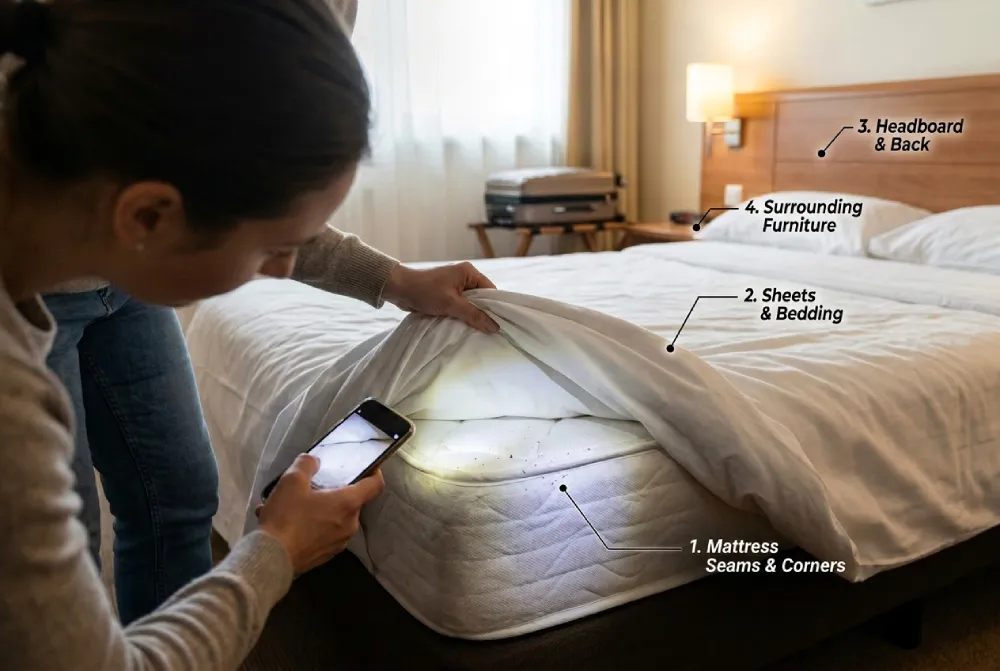
Keep your case zipped and place it on a dry, hard bathroom surface. Pull back the sheets and examine mattress seams...

A continental breakfast means bread, pastries, fruit, cereal, yoghurt, cold meats and cheese...
We value your privacy
We use cookies to enhance your browsing experience and analyze our traffic. By clicking "Accept All", you consent to our use of cookies. Learn more.
Be the first to know about Halloween experiences, exclusive offers and travel inspiration.
Up to 20% OFF
on halloween attractions and experiences.
Your Discount Code
Copy this code and use it at checkout