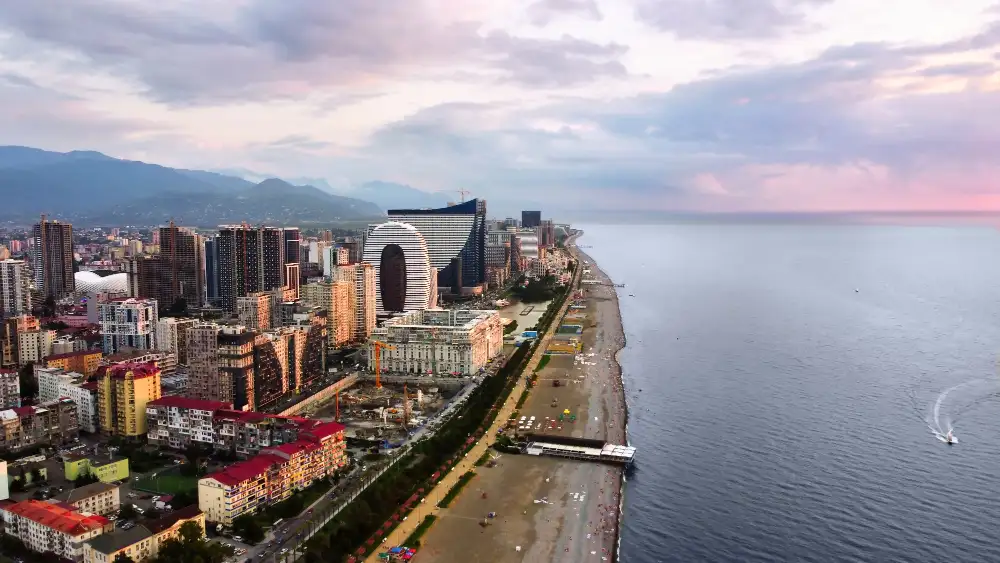
The landscape of the modern workplace has shifted dramatically. With the rise of high-speed internet and cloud computing, the traditional office is no longer a requirement for career success. Today, thousands of professionals are embracing the digital nomad lifestyle, swapping cubicles for coffee shops in Lisbon, beachfront villas in Bali, and historic apartments in Tbilisi. Choosing the best countries for digital nomads is about more than just fast Wi-Fi; it is about finding a balance between productivity, cost of living, community, and quality of life.
In this comprehensive guide, we explore the top destinations that have rolled out the red carpet for remote workers through digital nomad visas and infrastructure improvements. Whether you are a freelance designer, a software developer, or a content creator, these destinations offer the perfect backdrop for your career.
1. Portugal: The European Gateway for Nomads
Portugal has consistently ranked as one of the top remote work destinations in Europe. With its affordable cost of living compared to neighbors like France or the UK, combined with a mild climate and stunning coastline, it is easy to see why. The Portuguese government has actively pursued digital nomads by introducing specific visa pathways, making it easier than ever to call Lisbon or Porto home.
The community in Lisbon is particularly vibrant. Coworking spaces like Second Home or Factory Lisbon provide not just desks, but networking hubs that connect you with like-minded entrepreneurs from across the globe.
2. Bali, Indonesia: The Digital Nomad Mecca
No list of best countries for digital nomads is complete without Bali. Specifically, the area of Canggu and Ubud has become synonymous with the remote work movement. Bali offers an unparalleled lifestyle where you can surf in the morning, attend a mastermind session in the afternoon, and enjoy world-class dining in the evening—all for a fraction of what you would spend in a Western city.
This is an example video showcasing the digital nomad lifestyle in Bali.
While the visa situation in Indonesia has historically been a point of contention, recent updates regarding remote work permits have made it more accessible for long-term stays. The infrastructure for remote workers, including high-speed fiber internet and community-focused villas, is world-class.
3. Thailand: The Land of Smiles and Productivity
Thailand remains a perennial favorite for remote workers. Cities like Chiang Mai and Bangkok offer an incredible intersection of culture, affordability, and convenience. Chiang Mai, in particular, is often cited as the "Digital Nomad Capital of the World" due to its dense concentration of coffee shops, coworking spaces, and affordable housing.
The Thai government has recognized the economic potential of remote work, introducing the Long-Term Resident (LTR) visa. This allows eligible professionals to stay in the country for an extended period, provided they meet specific income and professional requirements.
4. Georgia: The Hidden Gem of the Caucasus
If you are looking for a destination that is off the beaten path but incredibly welcoming, Georgia is the place to be. With its "Remotely from Georgia" program, the country made headlines by being one of the first to actively court digital nomads during the pandemic. The capital, Tbilisi, is a charming city where old-world architecture meets a thriving modern tech scene.
Beyond the visa, the cost of living is exceptionally low, the food is incredible, and the hospitality is legendary. It is an ideal spot for those who want to escape the saturated tourist trails while still enjoying a high-speed internet connection.
5. Mexico: The North American Nomad Hub
Mexico has surged in popularity among North American digital nomads due to its proximity to time zones in the US and Canada. Cities like Mexico City, Oaxaca, and Playa del Carmen offer unique experiences. Mexico City is a cultural powerhouse with a thriving culinary scene and a massive influx of international talent.
This is an example video covering the pros and cons of living in Mexico City as a nomad.
Mexico does not have a specific 'digital nomad visa' in the same way Portugal does, but its temporary resident visa is widely used by remote workers who plan to stay for more than six months. The ease of travel, combined with the vibrant lifestyle, makes it a top-tier destination.
How to Choose the Right Destination
When evaluating these remote work destinations, consider the following factors:
Internet Reliability: Always check speed tests for specific cities.
Community: Are there active Slack groups or Facebook communities?
Visa Requirements: Can you legally work there, or do you need a specific digital nomad visa?
Time Zone: Will you be able to attend meetings with your team back home?
Cost of Living: Ensure your budget allows for a comfortable lifestyle without stress. For more information on managing your travel and accommodation budget, check out our affordable stay options.
The digital nomad life is not just about travel; it is about intentional living. By choosing the right destination, you can supercharge your career while experiencing the world’s most beautiful cultures. Whether you choose the surf‑breaks of Bali or the historic streets of Lisbon, the world is your office. If you’re planning to live and work abroad, official resources like the Estonia Digital Nomad Visa government page can help you understand legal remote work options overseas.
Frequently Asked Questions
What are the best countries for digital nomads right now?
Currently, the top destinations include Portugal for its visa accessibility, Bali for its community, Thailand for affordability, Georgia for its unique culture, and Mexico for its time-zone convenience.
Do I need a special visa to work as a digital nomad?
It depends on the country. Many nations now offer specific 'digital nomad visas' that allow you to stay and work legally for 6-24 months. In countries without them, people often use tourist visas, though you must be careful regarding local labor laws.
How do I find a community in a new country?
The best way to find a community is through platforms like Meetup, local Facebook groups for 'Digital Nomads in [City Name]', and by working from popular coworking spaces which often host networking events.
Is high-speed internet available in these destinations?
Yes, all the destinations listed—Portugal, Bali, Thailand, Georgia, and Mexico—have invested heavily in fiber-optic internet in major hubs, making them ideal for remote work.