Days Out in Birmingham: 18 Best Experiences for 2026
The best days out in Birmingham fall into four groups: the big ticketed attractions in and around the city centre...

Forhad Ahmed
Author & Travel Expert

Planning a trip to South America is an exciting prospect, offering a vibrant tapestry of cultures, breathtaking landscapes, and ancient history. However, for many travelers, safety remains a primary concern. The good news is that South America is incredibly diverse, and several nations consistently rank as remarkably safe destinations for tourists. This comprehensive guide dives deep into the safest South American countries to travel to in 2024, focusing on key destinations, essential safety tips, and where to find the best value accommodations.
When assessing safety, factors like low crime rates, political stability, and good infrastructure play a crucial role. While no destination is entirely risk-free, certain countries stand out for their commitment to tourist security. Based on global safety indices and traveler feedback, Uruguay and Chile frequently top the list.
Often overlooked for flashier neighbors, Uruguay consistently ranks as one of the safest and most politically stable countries in all of Latin America. It boasts high social indicators and a relaxed, European-influenced atmosphere, making it a fantastic starting point for novice South American travelers.
Montevideo: The capital city is generally very safe, especially in tourist zones like Ciudad Vieja (during the day) and Pocitos. Focus on well-lit areas at night.
Punta del Este: Famous for its beaches and upscale vibe, this resort town maintains a high level of security, particularly during the peak summer season.
For accommodation, finding affordable hotels in South America safe cities like Montevideo is achievable, though prices might be slightly higher than in other regional capitals due to the country's higher standard of living. Look for well-reviewed hotels in Montevideo Uruguay outside the immediate downtown core for better value.
Chile offers an incredible geographical range, from the Atacama Desert to Patagonia. It is known for its modern infrastructure and comparatively low levels of street crime compared to many of its neighbors. It’s a top choice for those seeking adventure with a safety net.
Santiago: The sprawling capital is modern and efficient. Stick to central, well-populated areas like Providencia, Las Condes, and Bellavista (during the day).
Valparaíso: While bohemian and vibrant, this port city requires more vigilance than Santiago. Stick to the main hills (cerros) known for art and views.
When looking for the best value hotels in South America tourist cities, Santiago provides excellent options. Consider staying in the hotels in Santiago Chile city center if you prioritize walkability, but exercise standard big-city caution after dark.
While Uruguay and Chile lead the pack, other popular destinations offer manageable safety profiles if travelers adhere to local advice.
Argentina, particularly Buenos Aires, offers an unparalleled cultural experience. While major cities require standard precautions against petty theft, specific neighborhoods are known for being welcoming to tourists.
Palermo: Widely considered the safest and trendiest area, offering fantastic dining and parks. It's ideal for those seeking boutique hotels in Palermo Buenos Aires.
Recoleta: Elegant, historic, and generally very secure, making it a favorite among luxury travelers.
Finding best hotels in Buenos Aires Argentina often means looking in these established, affluent areas. Petty crime like pickpocketing is common in crowded areas (like subways or La Boca), so vigilance is key.
Peru’s tourism infrastructure is robust, largely due to the massive influx of visitors heading to Machu Picchu. Safety concerns usually center around large cities like Lima, but tourist hubs are well-managed.
Miraflores (Lima): This coastal district is modern, secure, and packed with travelers. It is the default choice for tourists.
Cusco (Historical Center): The area around the Plaza de Armas is heavily policed and safe, though altitude sickness is a bigger concern than crime here!
For travelers seeking boutique hotels in Cusco Peru, the area near the San Blas neighborhood offers charm, but ensure your accommodation has 24-hour security.
Colombia has undergone a remarkable transformation. Cities like Medellín and Cartagena are now vibrant tourist hubs. While historical concerns exist, current tourist areas are generally safe when basic precautions are followed.
El Poblado (Medellín): This upscale neighborhood is the epicenter for visitors, known for its excellent dining and nightlife. It is arguably the safe areas to stay in Medellin Colombia for first-timers.
Cartagena (Walled City): Beautiful and historic, the walled city is heavily trafficked by tourists and generally secure, though be wary of street vendors becoming overly persistent outside the walls.
Many travelers look for hotels in El Poblado Medellin for convenience and modern amenities.
Regardless of which country you choose, adopting a security-conscious mindset will enhance your trip significantly. This South America travel safety guide covers universal best practices.
Technology makes travel easier, but also opens doors for digital crime. Be wary of unsolicited help with ATMs or taxis. Never let your card out of sight during transactions. Use reputable ride-sharing apps over hailing unmarked street taxis, especially at night.
The primary threat in crowded areas is petty theft. Use a cross-body bag worn in front of you. Leave flashy jewelry and expensive watches at home. When visiting markets or busy plazas, keep your wallet in a zipped interior pocket.
Many crimes occur under the cover of darkness. If you are unsure about an area, use a registered taxi or ride-share service to get door-to-door. Stick to well-lit, main streets, even if the detour seems longer.
In cities like Santiago or Montevideo, public transit is excellent during the day. However, avoid empty buses or subway cars late at night. For long-distance travel, prioritize reputable bus companies over budget options, as these often have better security records.
A common misconception is that safety equates to high cost. While the absolute cheapest options might be located in less secure neighborhoods, travelers can find excellent value by balancing location and amenities. Before confirming your stay, it can be helpful to compare affordable hotels in safe travel destinations to ensure you’re getting both good value and a secure location.
Book in Advance: Especially for high-demand areas like Miraflores or El Poblado, booking ahead secures better rates for mid-range hotels.
Look Slightly Outside the Center: In Santiago, staying just one or two metro stops outside the absolute central business district in a safe, residential area like Ñuñoa can save significantly without compromising safety.
Prioritize Hostels with Private Rooms: Many modern hostels in safe cities (like those in Buenos Aires’ Palermo Soho) offer private rooms that rival boutique hotels in quality but at a lower price point.
When reviewing listings, always check recent reviews mentioning security features like 24-hour reception, key card access, and secure parking.
The definition of 'best value' shifts depending on the city:
Uruguay (Montevideo): Value often means a well-located Airbnb or mid-range hotel in Pocitos, balancing proximity to the Rambla with reasonable pricing.
Chile (Santiago): Look for hotels in Providencia; they often offer better value than those directly in the financial district of Las Condes, while remaining very safe.
Colombia (Medellín): The best value is often found slightly further from the central Parque Lleras area within El Poblado, offering quieter streets and better deals on modern apartments.
For couples prioritizing a romantic yet secure getaway, the safest places in South America for couples usually align with the most established tourist districts: Punta del Este (Uruguay), Recoleta (Argentina), or the quieter parts of Miraflores (Peru).
Uruguay’s high safety rating is supported by its strong democratic institutions and lower income disparity compared to some neighbors. While Montevideo demands standard urban awareness, travelers rarely report serious incidents. If you are looking for quiet beaches and safety, consider the smaller towns along the coast in addition to Punta del Este.
Chile is generally very safe, but the capital, Santiago, is a massive metropolis. Tourists should be aware of organized pickpocketing rings, especially near major metro stations (like Universidad de Chile) and tourist attractions. Keep your backpack secure. For unique charm, Valparaíso requires more street smarts, particularly after dark near the port areas.
Lima can feel overwhelming, but Miraflores acts as a very secure bubble for tourists. When venturing out, always use official transport. Cusco, being smaller and heavily reliant on tourism, is exceptionally safe within the main tourist circuit. Always confirm your altitude acclimatization plan before exploring the Sacred Valley.
Medellín’s transformation is inspiring. In safe areas like El Poblado, life feels modern and secure. However, the city is vast, and travelers must stay within known tourist sectors. Avoid displaying wealth publicly. Cartagena’s Walled City is enchanting, but outside those walls, especially at night, exercise extra caution.
The perception of South America as uniformly dangerous is outdated. By prioritizing Uruguay and Chile, or by sticking strictly to well-vetted tourist zones in countries like Peru, Argentina, and Colombia, you can enjoy an incredible journey. Armed with this knowledge about the safest South American countries to travel to, and knowing where to find the best value hotels, your adventure awaits! For official safety updates and travel advisories before planning your trip, travelers can also consult the UK Government Foreign Travel Advice portal.
Uruguay is widely regarded as the safest South American country for first-time visitors due to its high political stability, low crime rates, and relaxed atmosphere. Chile is a very close second, known for its modern infrastructure and organized cities.
The safest neighborhoods to stay in Buenos Aires are generally Palermo (especially Palermo Soho and Hollywood) and Recoleta. These areas are affluent, well-policed, and offer excellent access to restaurants and attractions.
Yes, you can find excellent value. While prices might be higher than in less secure regions, looking slightly outside the absolute main tourist centers in cities like Santiago or Montevideo, or opting for well-rated boutique hostels, can yield affordable yet safe accommodation options.
Generally, yes. In cities where ride-sharing apps are fully integrated (like Santiago, Chile, or Medellín, Colombia), they are often safer than hailing unmarked street taxis, especially at night, as the ride is tracked.
The primary safety concern for tourists in Lima is petty theft, particularly pickpocketing in crowded markets or on public transport. Tourists are strongly advised to stay within the secure districts like Miraflores and Barranco.
Please login to leave a comment.
The best days out in Birmingham fall into four groups: the big ticketed attractions in and around the city centre...
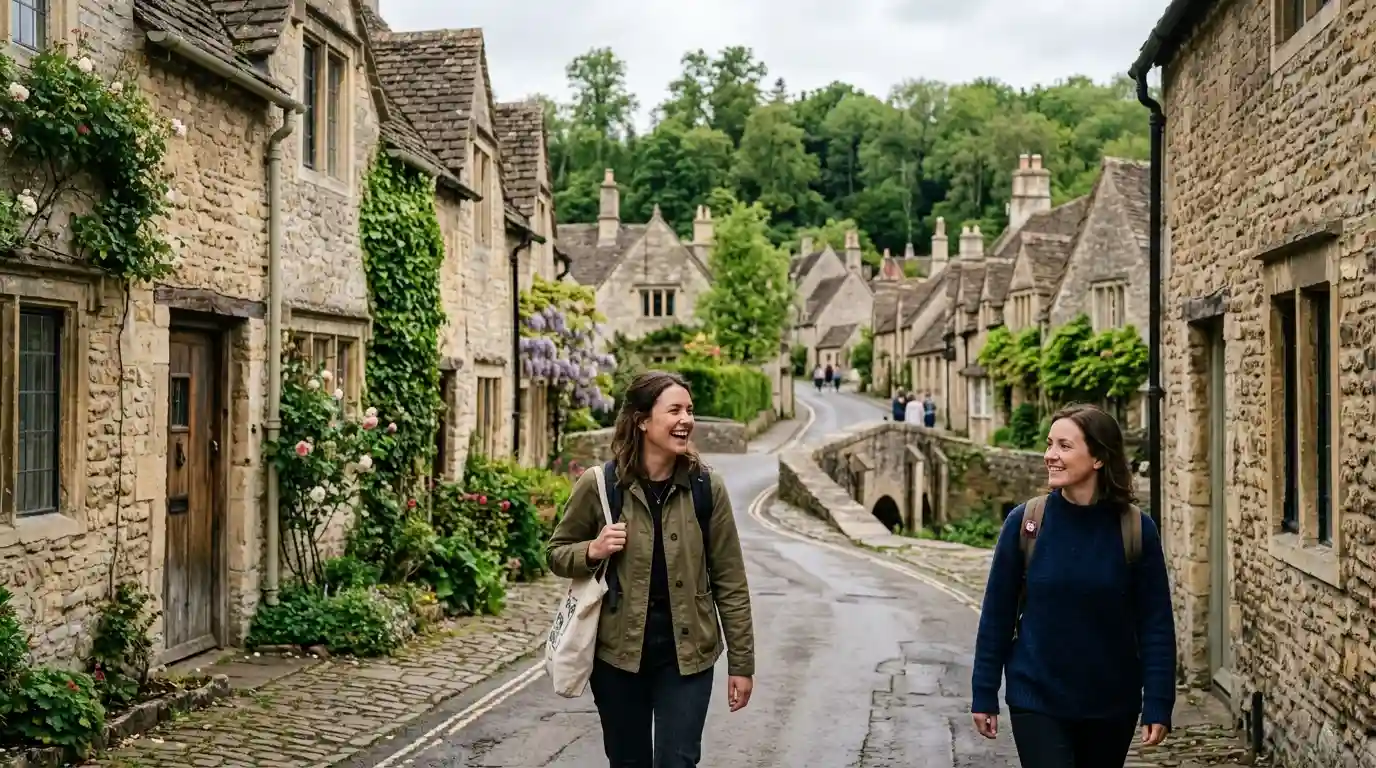
The Cotswolds cover nearly 800 square miles across six counties, which is about the size you'd need to fit every tourist photograph you've ever seen of honey-coloured stone, dry stone walls and rolling green hills into one place.
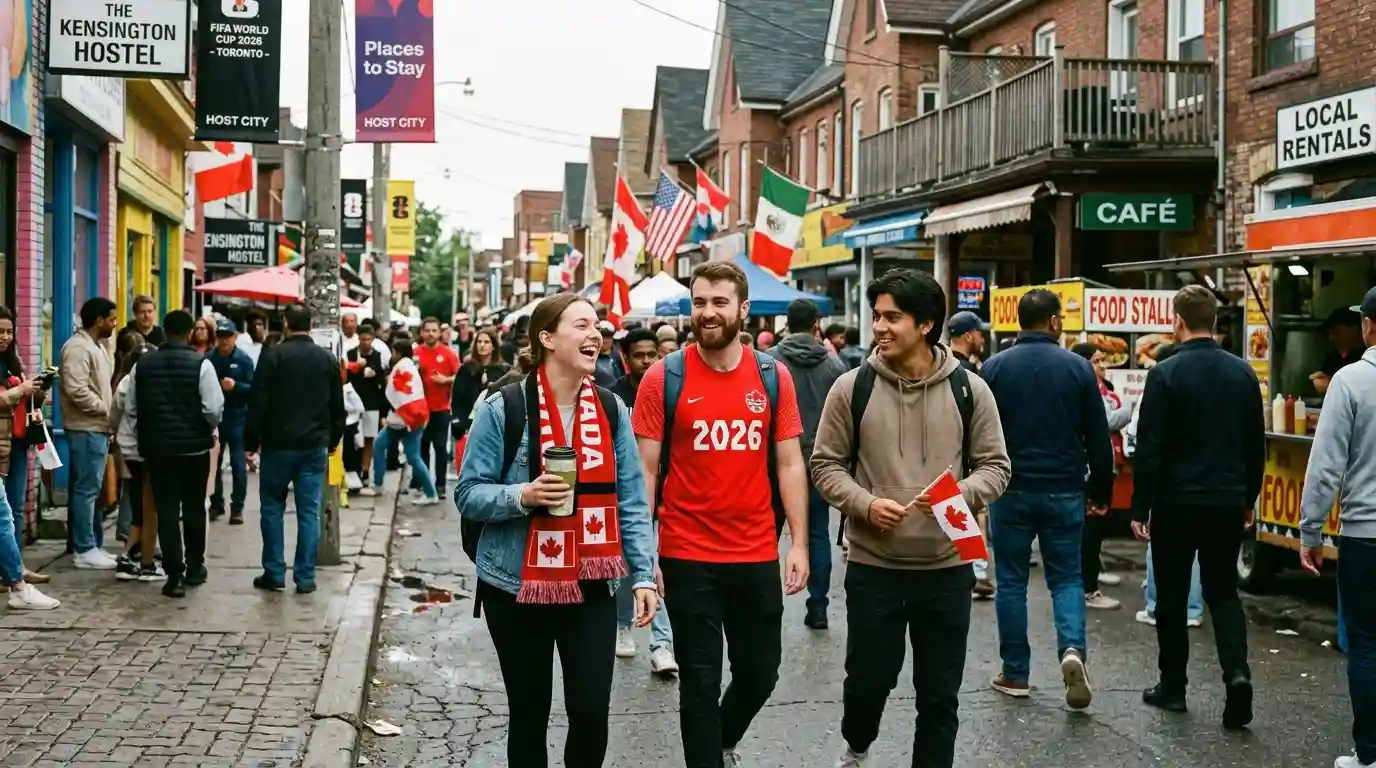
Right. The World Cup starts on 11 June. If you haven't sorted your accommodation yet, you're not alone — but you are running out of time.
We value your privacy
We use cookies to enhance your browsing experience and analyze our traffic. By clicking "Accept All", you consent to our use of cookies. Learn more.
Join our travel community
on your first booking when you subscribe
Your Discount Code
Copy this code and use it at checkout