



Discovering the Heart of the Pacific: A Guide to Samoa
Samoa, an enchanting archipelago in the South Pacific, offers a sanctuary for travellers seeking authentic culture, pristine landscapes, and a slower pace of life. Often referred to as the cradle of Polynesia, this island nation provides a unique blend of lush rainforests, cascading waterfalls, and volcanic coastlines. Whether you are looking for luxury beachside resorts or traditional eco-friendly fales, Samoa accommodates a diverse range of preferences.
The Best Time to Visit
Planning your trip effectively is essential to enjoying the tropical climate. Samoa experiences two distinct seasons: the dry season and the wet season. The best time to visit is during the dry season, which spans from May to October. During these months, the weather is pleasantly warm with lower humidity and reduced rainfall, making it ideal for hiking, swimming, and exploring the islands. While the wet season, from November to April, brings more frequent showers, it also results in vibrant, lush scenery and fewer crowds. Travellers should note that the shoulder months of May and October often provide a balance of favourable weather and quieter tourist spots.
Popular Destinations and Staying in Samoa
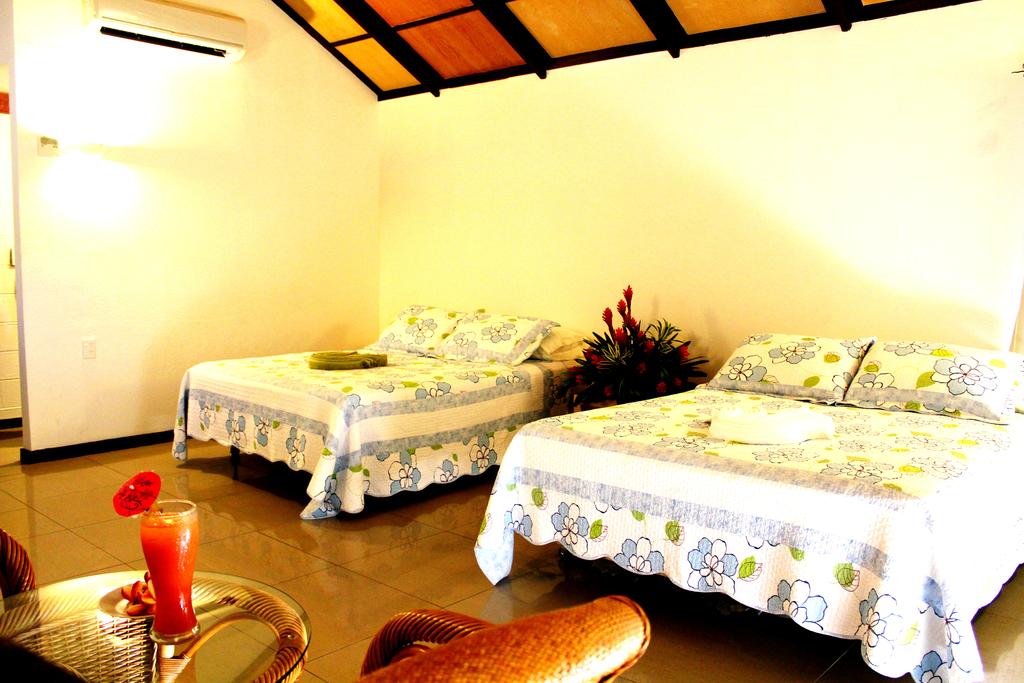
The capital city, Apia, located on the island of Upolu, serves as the primary gateway for most international arrivals. Here, you will find a blend of colonial history and modern amenities. Staying in Apia allows easy access to local markets, museums, and a variety of hotels ranging from boutique city dwellings to upscale waterfront properties. For those seeking a quieter experience, the south coast of Upolu offers world-renowned beaches such as Lalomanu, where several beachfront hotels provide direct access to turquoise lagoons.
Savai’i, the larger but more sparsely populated island, offers a more rugged and traditional experience. It is home to dramatic lava fields, blowholes, and canopy walks. Choosing to stay in locally-run beach fales or resorts on Savai’i offers a genuine connection to Samoan hospitality and community life.
Currency and Financial Practicalities
The official currency of Samoa is the Samoan Tala (WST). While major hotels and larger restaurants in Apia accept international credit cards, it is highly advisable to carry cash when visiting rural areas, village markets, or smaller boutique accommodations. ATMs are readily available in Apia and main towns, but they become scarce once you venture into more remote regions. Always ensure you have sufficient local currency for village contributions or small transport fares.
Getting Around and Transportation
Navigating Samoa is part of the adventure. Public transport is primarily serviced by colourful, open-air buses. These buses do not run on a strict timetable but are a fantastic way to experience local life. For those who prefer independence, renting a car is a popular option. Driving is on the left-hand side of the road, and you will need to obtain a temporary local driver's permit, which can usually be arranged through your rental agency or at the police station in Apia. Taxis are plentiful in the capital and are a convenient way to reach your hotel or explore nearby attractions.
Practical Travel Tips
Samoan culture is deeply rooted in tradition and faith. When visiting villages, it is respectful to dress modestly, covering shoulders and knees, particularly on Sundays. Sunday is considered a day of rest and church attendance, so many shops and some tourist activities may be limited. If you are staying at a hotel near a village, you may hear the evening prayer call, known as the Sa, during which time it is polite to remain quiet and still if you are outside your accommodation. Finally, stay hydrated, use reef-safe sunscreen, and embrace the Fa'a Samoa, the traditional way of life that prioritises community, family, and hospitality.