




Discovering Portugal: A Land of Coastal Beauty and Historic Charm
Portugal, located on the Iberian Peninsula, is a nation of immense diversity, blending ancient maritime history with a vibrant, modern culture. From the sun-drenched cliffs of the Algarve to the verdant hills of the Douro Valley and the cosmopolitan allure of Lisbon, Portugal offers a wealth of experiences for every type of traveller. Whether you are seeking a peaceful retreat in one of the many boutique hotels nestled in the countryside or a lively city break in the heart of Porto, this country promises an unforgettable escape.
The Best Time to Visit
Portugal enjoys a Mediterranean climate, making it a year-round destination. However, the ideal time to visit depends largely on your preferences. Spring (April to June) and autumn (September to October) are widely considered the best times to explore. During these months, the weather is pleasantly warm, the crowds are thinner, and the landscape is either blooming or bathed in the golden hues of harvest. Summer (July and August) is perfect for beach enthusiasts, particularly in the south, though coastal regions can become quite busy. Winter is mild, especially in the Algarve, making it an excellent choice for those looking to avoid the harsher climates of northern Europe.
Popular Destinations and Cities
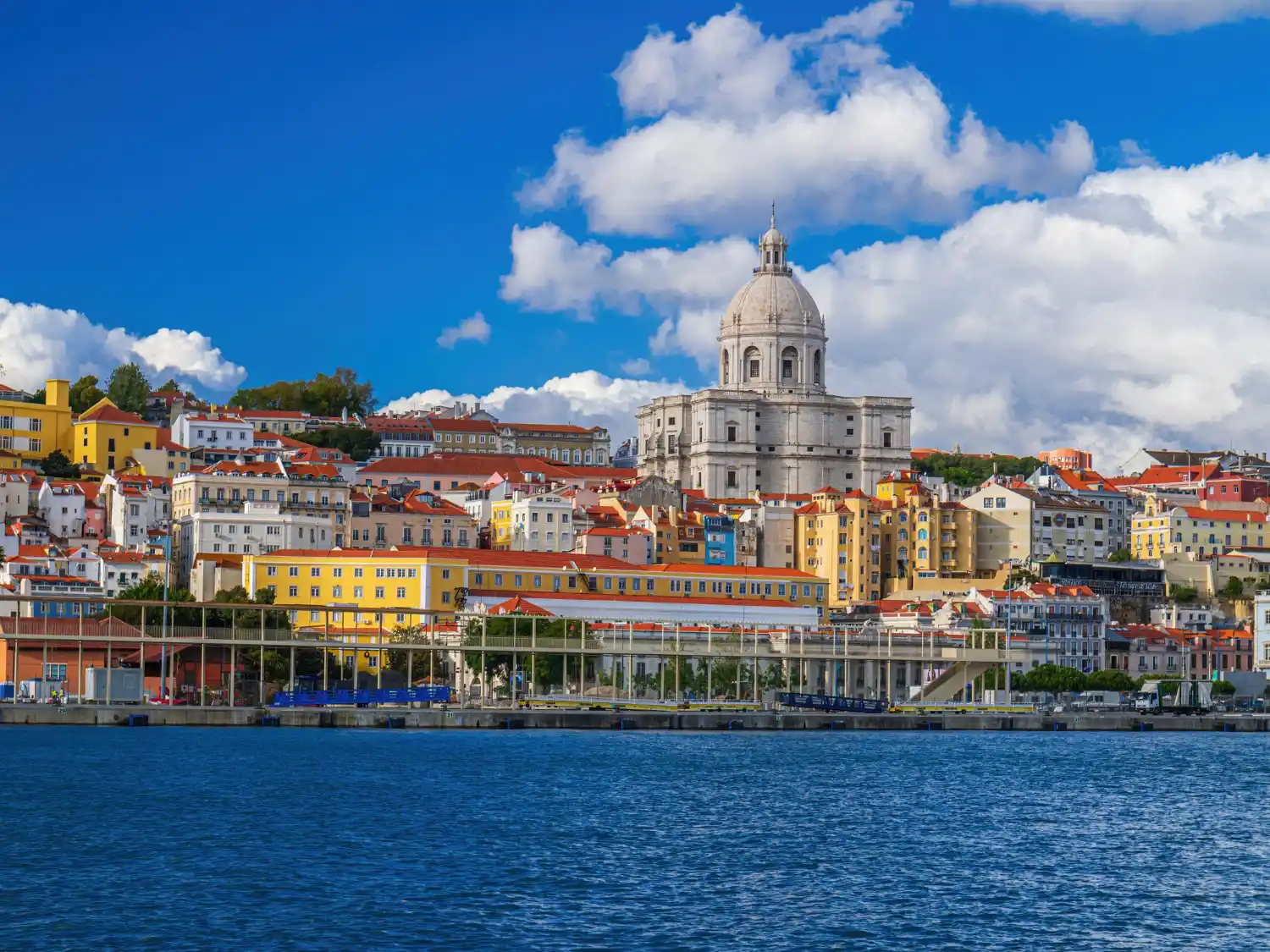
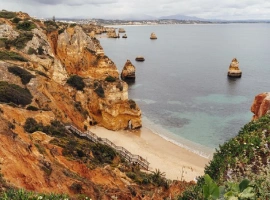
Lisbon, the capital, is a city of seven hills, where traditional yellow trams rattle through narrow, cobbled streets. It is home to historic districts like Alfama and the majestic Jeronimos Monastery. Staying in central hotels in Lisbon allows you to be within walking distance of iconic viewpoints and world-class dining. Porto, located in the north, is famous for its riverside charm, the Douro River, and its world-renowned port wine cellars. Further south, the Algarve region is celebrated for its dramatic limestone cliffs, hidden sea caves, and pristine golden beaches, providing a wealth of coastal resorts and luxury hotel options.
Currency and Practical Information
The currency used in Portugal is the Euro (EUR). Credit and debit cards are widely accepted in cities and tourist hubs, though it is always wise to carry a small amount of cash for smaller cafes or local markets. Tipping is appreciated but not mandatory; rounding up the bill or leaving a small percentage for exceptional service in restaurants is standard practice. Portugal is generally considered a very safe country for travellers, and the locals are known for their warm hospitality and often high proficiency in English.
Getting Around and Transportation
Portugal boasts an efficient and affordable public transport network. Trains connect the major cities, such as Lisbon, Porto, and Coimbra, with high-speed services making inter-city travel seamless. Within the cities, the combination of metro systems, buses, and the iconic historic trams provides excellent coverage. For those wishing to explore the more rural regions, such as the Alentejo plains or the interior mountains, hiring a car is highly recommended. Driving in Portugal is straightforward, with well-maintained motorways linking the north to the south, allowing you to easily move between your chosen hotels and hidden gems off the beaten path.
Essential Travel Tips
- Learn a few basic Portuguese phrases, such as 'obrigado' (thank you) or 'por favor' (please), as it is greatly appreciated by the locals.
- Pack comfortable walking shoes, as many historic city centres feature uneven cobblestone streets.
- Make the most of the local gastronomy; try the 'pastéis de nata' (custard tarts) and fresh seafood, which are staples of the Portuguese diet.
- When booking your accommodation, consider the proximity to public transport hubs to maximise your time spent sightseeing.
- Always carry a bottle of water, especially during the summer months, and remember that sun protection is necessary even on cloudy days due to the coastal reflection.