

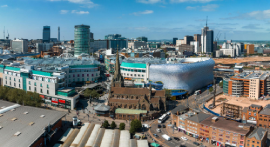


Discovering the Emerald Isle
Ireland is a land defined by its rugged coastlines, ancient history, and world-renowned hospitality. From the bustling streets of Dublin to the untamed beauty of the Wild Atlantic Way, the country offers a unique blend of urban sophistication and rural charm. Choosing the right base is essential for your experience, whether you prefer luxury hotels in the heart of the capital or cosy boutique establishments nestled in the rolling hills of the countryside.
When to Visit
The best time to visit Ireland depends entirely on your travel preferences. The shoulder seasons, spanning from April to May and September to October, offer a perfect balance of manageable crowds and mild weather. During these months, the countryside is at its most vibrant, making it ideal for hiking and sightseeing. Summer, particularly July and August, brings the warmest temperatures and the longest daylight hours, which are perfect for exploring the coastal routes. However, this is also the peak tourist season, so booking your preferred hotels well in advance is highly recommended. Winter provides a different allure, with crisp air, fewer visitors, and the opportunity to experience the warmth of a traditional pub fireplace after a day of exploration.
Popular Destinations
Dublin serves as the primary gateway for most visitors. The capital is rich in literary history, vibrant nightlife, and iconic landmarks such as Trinity College and St. Patrick's Cathedral. For those seeking a coastal retreat, Galway acts as the perfect jumping-off point for the Cliffs of Moher and the Aran Islands. Cork, located in the south, is celebrated for its culinary scene and proximity to the colourful town of Kinsale. If you are looking for dramatic landscapes, the Ring of Kerry and the Connemara region are essential stops. Regardless of your destination, you will find a diverse range of accommodation, from historic castles converted into grand hotels to modern city-centre apartments.
Currency and Practical Information
The currency used in the Republic of Ireland is the Euro (EUR). While Northern Ireland uses the British Pound (GBP), most visitors focusing on the Republic will only need Euros. Credit and debit cards are widely accepted throughout the country, even in smaller villages, though it is always prudent to carry some cash for smaller purchases. Ireland operates on a 230V power supply with a three-pin plug, identical to that used in the United Kingdom. It is advisable to pack a universal travel adapter if you are arriving from elsewhere.
Getting Around
Public transport in Ireland is well-developed, particularly between major cities. The national rail network, Iarnród Éireann, connects the main urban hubs efficiently, while Bus Éireann provides extensive coverage to smaller towns and rural areas. For those planning to explore the more remote stretches of the Atlantic coast, hiring a car is the most practical solution. Driving in Ireland allows for the flexibility to stop at hidden viewpoints and local attractions that are not easily accessible by public transport. Please be mindful that driving is on the left-hand side of the road and country lanes can be quite narrow.
Travel Tips
- Pack layers: Irish weather is notoriously changeable; even in summer, a waterproof jacket is an essential item.
- Book accommodation early: Especially in popular hubs like Killarney or Galway during the summer months.
- Embrace the local pace: The Irish lifestyle is generally relaxed, so allow yourself plenty of time to enjoy the local culture.
- Explore beyond the cities: While Dublin is fantastic, the true soul of the country is often found in the small coastal villages.
- Check local events: Ireland hosts numerous festivals throughout the year, which can be wonderful to experience but may affect hotel availability.