

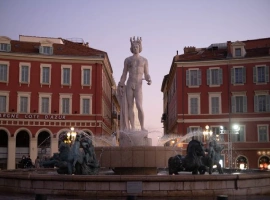


Discovering the Elegance of France
France remains one of the world's most captivating destinations, offering an unparalleled blend of history, culinary excellence, and diverse landscapes. From the sun-drenched vineyards of Bordeaux to the snow-capped peaks of the Alps and the storied streets of Paris, the country provides a rich tapestry of experiences for every type of traveller. Selecting the right base is essential to enjoying the French lifestyle, and you will find that hotels in France range from historic chateaux to sleek, contemporary urban retreats designed to cater to all preferences.
The Best Time to Visit
France is a year-round destination, but the ideal time to visit depends largely on your itinerary. Spring, from April to June, and autumn, spanning September to October, offer mild weather and fewer crowds, making them perfect for exploring cities and the countryside. Summer, particularly July and August, is peak season; while the weather is warm and perfect for coastal visits, popular tourist areas become very busy. Winter is the premier time for skiing in the French Alps or enjoying the festive atmosphere of Christmas markets in regions like Alsace.
Popular Destinations and Cities
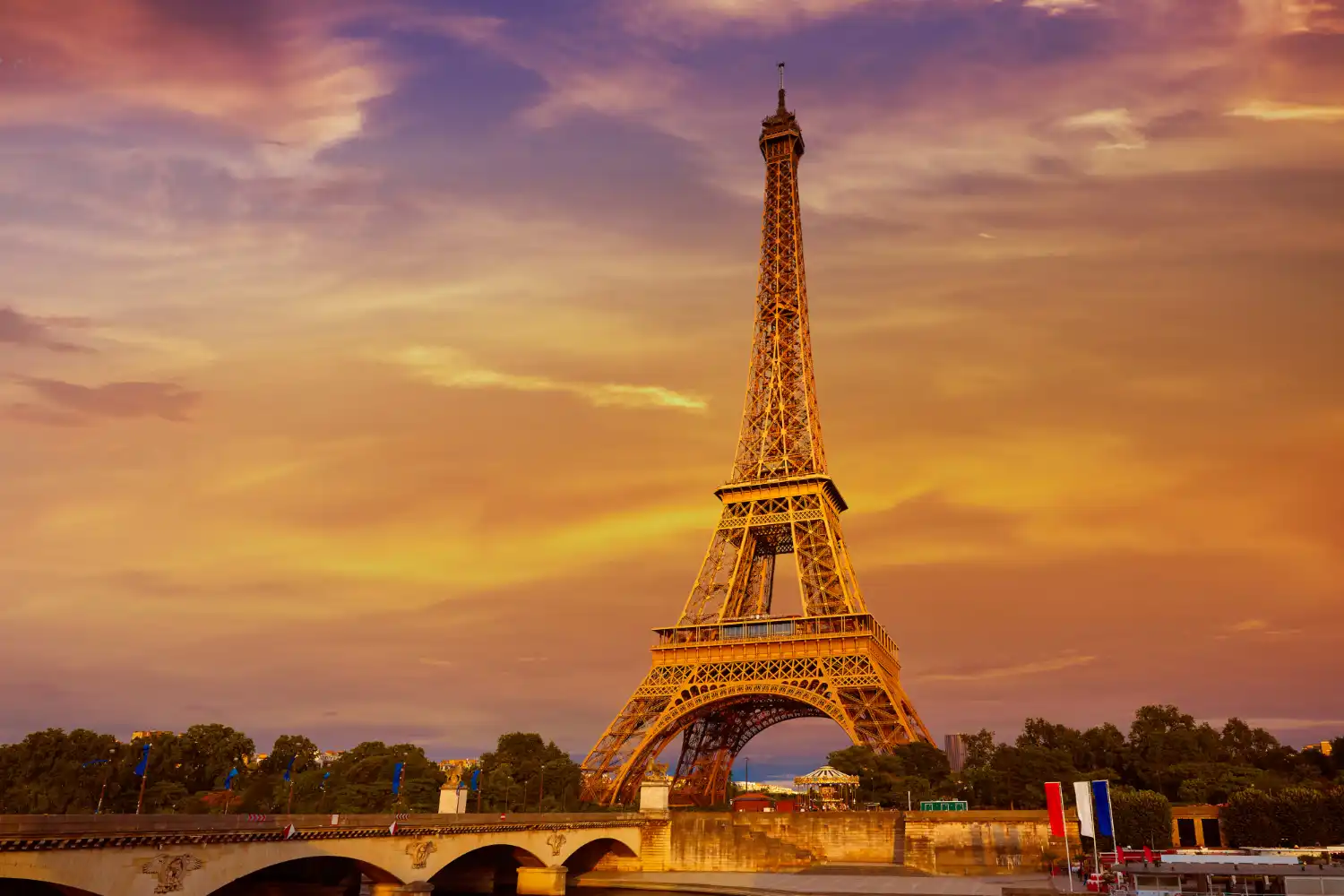
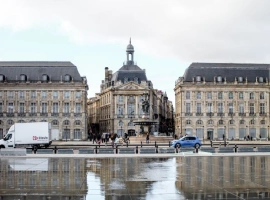
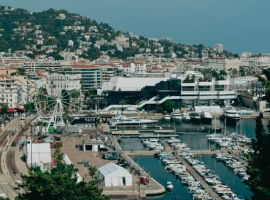
Paris, the capital, is an essential stop, known for its iconic landmarks and world-class museums. However, France offers much more beyond the capital. The French Riviera, with its glamorous resorts in Nice and Cannes, provides a stunning Mediterranean backdrop. For those seeking cultural depth, Lyon is celebrated as the gastronomic capital of the world, while Bordeaux serves as the gateway to some of the most famous wine regions. Further south, Provence offers picturesque lavender fields and quiet villages that seem frozen in time. Across these regions, you can find hotels in France that reflect the local character, whether it be a boutique hotel in a Parisian arrondissement or a rustic manor house nestled in the vineyards of the south.
Currency and Banking
France uses the Euro (EUR) as its official currency. While credit and debit cards are widely accepted in cities, larger towns, and most hotels, it is always wise to carry a small amount of cash for smaller purchases in rural areas or local markets. Most banks offer currency exchange services, and ATMs are readily available throughout the country. It is advisable to inform your bank of your travel plans before departure to ensure seamless card usage.
Getting Around and Transportation
France boasts an exceptionally efficient transport network. The TGV (Train à Grande Vitesse) high-speed rail system connects major cities with remarkable speed and comfort, making rail travel the preferred method for many visitors. Within cities, public transport is generally excellent, featuring metro systems, trams, and extensive bus networks. If you plan to explore rural regions such as the Loire Valley or the Dordogne, hiring a car provides the most flexibility, allowing you to discover hidden gems at your own pace. Many travellers choose to stay in centrally located hotels in France that offer easy access to major train stations or key transport hubs.
Practical Travel Tips
- Learn basic French phrases; a simple bonjour or merci goes a long way with local residents.
- Dining times are typically later than in the UK; lunch is usually between 12:00 and 14:00, and dinner starts after 19:30.
- Tipping is appreciated but not mandatory; a small amount left on the table in cafes or a modest percentage in restaurants is considered polite.
- Check the specific regional requirements for driving if you plan to rent a car, including the necessary documentation.
- Always keep your passport or a copy of your identification with you, as it may be required for certain services or security checks.