






Discovering the Magic of Spain
Spain is a country defined by its incredible diversity, where ancient history meets vibrant modern culture. From the sun-drenched beaches of the Mediterranean to the rugged peaks of the Pyrenees, Spain offers an unforgettable experience for every type of traveller. Whether you are wandering through the gothic quarters of Barcelona or enjoying tapas in a bustling Seville plaza, the country invites you to slow down and savour life. Staying in high-quality hotels in Spain ensures you are perfectly placed to explore these rich landscapes, providing a comfortable sanctuary after a day of discovery.
The Best Time to Visit
The ideal time to visit Spain depends largely on your itinerary. Generally, spring (April to June) and autumn (September to October) offer the most pleasant temperatures for sightseeing, with warm, sunny days that are perfect for walking tours. During these months, you can avoid the intense heat of the summer and the peak crowds. If you are planning a beach holiday, summer is the peak season, though coastal areas remain busy well into September. Winter is an excellent time for those looking to explore major cities like Madrid or Barcelona without the queues, and it is also the season for skiing in the Sierra Nevada mountains.
Popular Destinations
Spain is home to a wealth of world-class cities, each with a distinct personality:
- Madrid: The capital city, renowned for its golden triangle of art museums and the expansive Retiro Park.
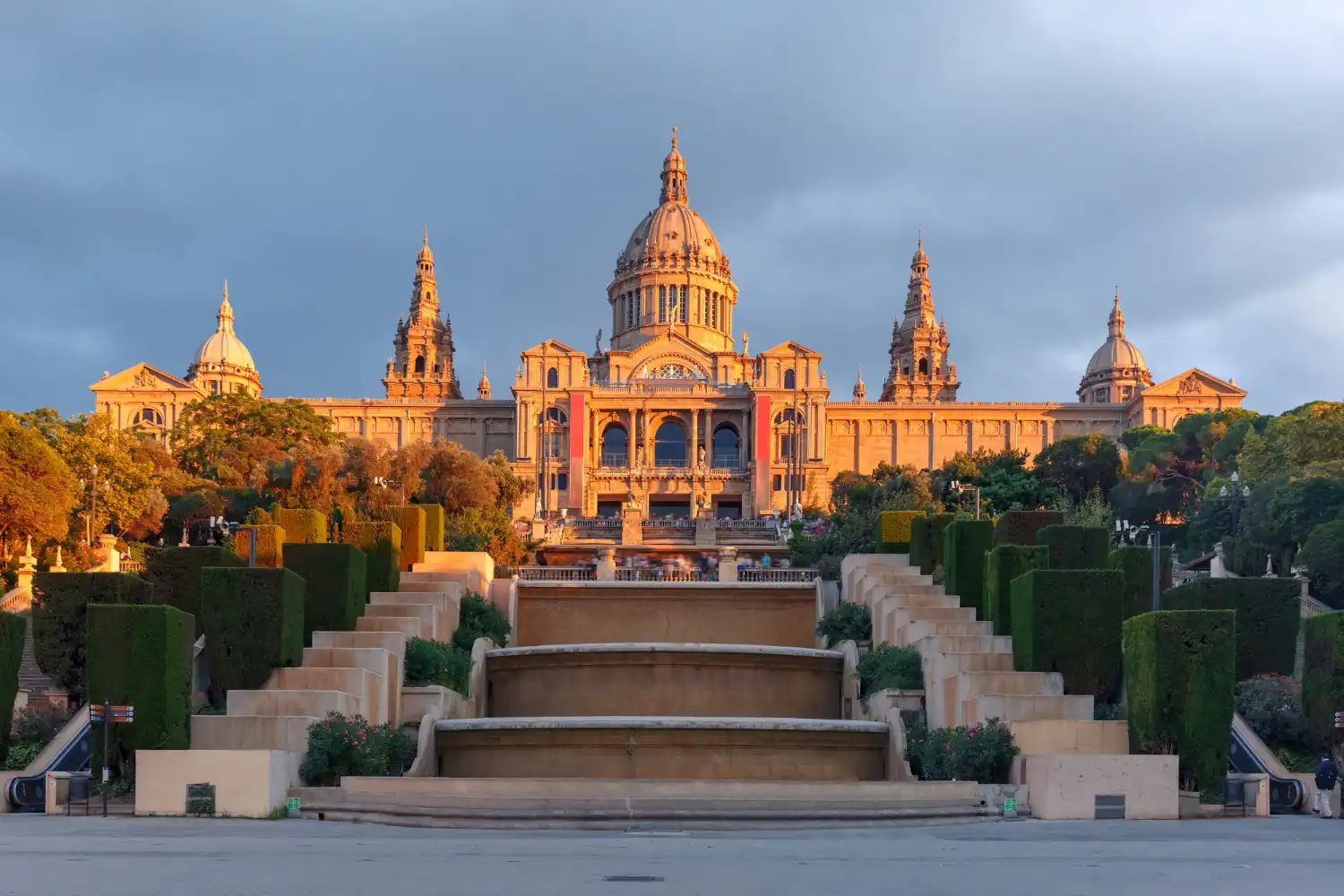
- Barcelona: Famous for its unique Gaudí architecture, including the Sagrada Família, and its lively seaside atmosphere.
- Seville: The heart of Andalusia, celebrated for its stunning Alcázar palace, flamenco heritage, and orange-scented streets.
- Valencia: A perfect blend of futuristic architecture and historic charm, known as the birthplace of paella.
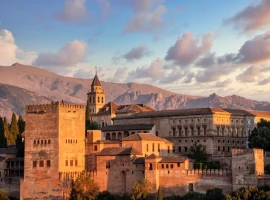
- Granada: Home to the breathtaking Alhambra palace, which offers a deep look into the country's Moorish history.
Currency and Practical Tips
The currency in Spain is the Euro. While major hotels, restaurants, and shops widely accept credit and debit cards, it is always wise to carry a small amount of cash for smaller cafes or local markets. Tipping is not mandatory in Spain, but it is customary to leave a small amount of change or a modest percentage if you have received exceptional service. Spaniards typically eat later than in other parts of Europe, with lunch often occurring between 2:00 PM and 4:00 PM and dinner starting after 8:30 PM. Embracing this schedule is a great way to immerse yourself in the local lifestyle.
Getting Around and Transportation
Spain boasts one of the most efficient high-speed rail networks in Europe, known as the AVE. This makes travelling between major cities such as Madrid, Barcelona, and Valencia incredibly quick and convenient. Within cities, public transport is excellent, with extensive metro systems and bus networks. For those wishing to explore the countryside or the picturesque 'pueblos blancos', renting a car provides the most flexibility. When booking your accommodation, consider selecting hotels in Spain that are situated near major transport hubs to make your onward travel seamless.
Final Travel Advice
When packing, remember that regional climates vary significantly. While the south stays warm, the northern coast can be quite rainy, and the central plateau experiences extreme temperatures. Always carry a reusable water bottle, as the tap water is generally safe and of good quality. Finally, take the time to learn a few basic phrases in Spanish; even a simple greeting is greatly appreciated by the locals and can enhance your interactions throughout your stay.