









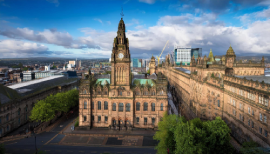


Discovering Ecuador: A Land of Diverse Landscapes
Ecuador is a country of extraordinary geographical diversity packed into a relatively compact area. From the snow-capped peaks of the Andes and the lush expanse of the Amazon rainforest to the pristine beaches of the Pacific coast and the unique biodiversity of the Galapagos Islands, Ecuador offers travellers a wealth of experiences. Selecting the right base is essential for your journey, and with a wide range of hotels in Ecuador, from historic colonial haciendas to modern urban boutiques, you are well-positioned to explore this South American gem.
The Best Time to Visit
Ecuador is often called the land of eternal spring due to its equatorial location. However, its varied topography means climate zones differ significantly. Generally, the dry season for the Andes—the best time for trekking and mountain sightseeing—runs from June to September. If you are heading to the Pacific coast, the season from December to May offers the warmest weather and best conditions for swimming. For those visiting the Amazon, keep in mind that rain is possible year-round, though the drier months of August to December often make jungle trails more accessible.
Popular Destinations
Quito, the capital, is a must-visit for its remarkably well-preserved historic centre, a UNESCO World Heritage site. Staying in a hotel within the Old Town allows you to wake up steps away from grand cathedrals and bustling plazas. Cuenca is another favourite, famed for its colonial architecture, artisan markets, and the Tomebamba River. For those seeking adventure, Baños serves as the gateway to the Amazon and is the premier destination for canyoning, rafting, and visiting the famous swing at the end of the world. Finally, Guayaquil, the country’s largest city and economic hub, offers a vibrant waterfront and serves as the primary gateway to the Galapagos Islands.
Currency and Practical Tips
Ecuador uses the United States Dollar as its official currency, which simplifies travel for many international visitors. It is advisable to carry small denominations, as change for large notes can be difficult to find in smaller towns or rural markets. While English is spoken in major hotels and high-end tourist establishments, learning basic Spanish phrases will significantly enhance your interactions with locals. Always ensure you have travel insurance that covers high-altitude activities, especially if you plan on trekking in the Andean highlands.
Getting Around
The country is well-connected by a network of buses, which remain the most economical way to travel between cities. For those who prefer more comfort and flexibility, private transfers or internal flights between Quito, Guayaquil, and Cuenca are excellent options. Within cities, registered taxi services are widely available and generally affordable. When choosing your accommodation, look for properties that offer shuttle services or can arrange private tours, as these can simplify your logistics significantly. Whether you are staying in a luxury hotel in the heart of Quito or an eco-lodge in the cloud forest, internal transport is a key consideration when planning your daily excursions.
Health and Safety
It is important to stay hydrated and take time to acclimatise if you are heading to high-altitude regions like Quito or Cotopaxi. Avoid tap water and opt for bottled or filtered water instead. Regarding safety, standard travel precautions apply: keep your belongings secure in crowded areas and rely on hotel staff for recommendations on safe transport options during the night. By planning ahead and choosing reputable accommodation, your trip to Ecuador will be an unforgettable adventure through one of the world's most ecologically diverse nations.