



Discovering the Nature Isle
Dominica, often referred to as the Nature Isle of the Caribbean, offers an experience vastly different from its neighbours. Rather than focusing on white-sand beaches, this volcanic paradise is defined by lush rainforests, towering mountains, and steaming geothermal springs. Whether you are seeking a tranquil escape in a boutique eco-lodge or a base for high-octane adventure, Dominica provides a unique sanctuary for travellers who appreciate raw, untouched beauty.
Best Time to Visit
The ideal time to visit Dominica is during the dry season, which typically runs from December to May. During these months, the weather is pleasantly warm, and the lower rainfall makes it easier to navigate the island’s extensive hiking trails. If you are interested in diving or whale watching, the waters remain inviting year-round, though the peak season for spotting sperm whales is between November and March. Travellers should note that the hurricane season falls between June and November, when humidity levels are higher and tropical storms are more frequent.
Popular Destinations and Staying in Style
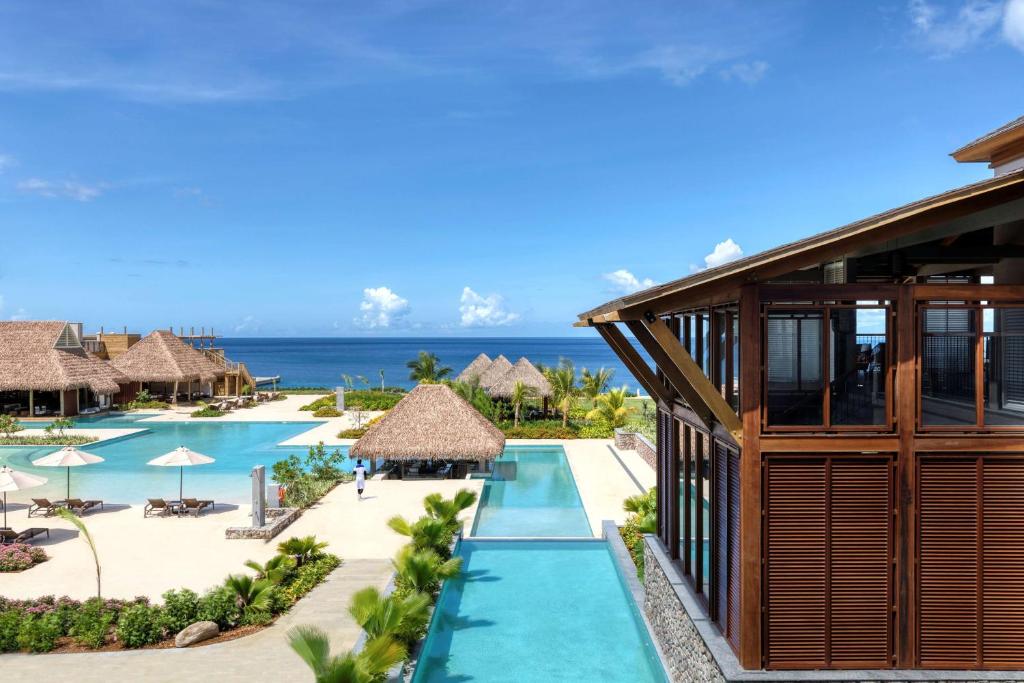
Roseau, the island’s capital, is the vibrant heart of Dominica. It serves as a fantastic starting point, offering easy access to the Botanical Gardens and the bustling Old Market. Many travellers choose to stay in hotels in Roseau to experience the colonial architecture and local culinary scene before heading into the mountains. For those looking to immerse themselves in nature, the areas surrounding the Morne Trois Pitons National Park are highly recommended. Staying in a mountain-side resort allows guests to wake up to the sounds of tropical birds and enjoy proximity to attractions like the Emerald Pool and the Trafalgar Falls. Portsmouth, located to the north, offers a more relaxed pace and is the gateway to the Indian River, where travellers can enjoy guided rowboat tours through the mangroves.
Currency and Practicalities
The official currency of Dominica is the Eastern Caribbean Dollar (XCD), though the US Dollar is widely accepted in many hotels, restaurants, and shops. It is advisable to keep some local currency on hand for smaller purchases or when visiting rural markets. The island operates on a 230V electrical system, and most hotels provide standard three-pin plug outlets compatible with British appliances, though it is always wise to carry a universal adapter.
Getting Around
Navigating Dominica is an adventure in itself. The terrain is mountainous, and roads can be winding and narrow. Many visitors choose to rent a 4x4 vehicle to maintain independence while exploring the island’s hidden gems. Alternatively, the local minibus system is a reliable and cost-effective way to travel between major towns and villages. These buses do not run on a strict schedule but are easily flagged down along the main routes. For those preferring a more curated experience, many hotels in Dominica can arrange private transfers or guided tours to ensure you reach the remote hiking trailheads and scenic viewpoints safely.
Essential Travel Tips
- Pack sturdy hiking boots, as the island’s primary attractions involve trekking through rainforest terrain.
- Carry a waterproof jacket; even in the dry season, the interior of the island can experience sudden showers.
- Respect the local environment by choosing eco-conscious tour operators and staying in properties that prioritise sustainability.
- Ensure you have travel insurance that covers activities like trekking and water sports.
- Drink plenty of water and use reef-safe sunscreen when exploring the coastal areas or natural pools.
Dominica is a destination that demands you slow down and breathe. By staying in thoughtfully selected hotels that complement the natural landscape, you can ensure your trip to the Nature Isle is as restorative as it is exhilarating.