

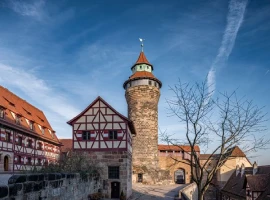


Discovering Germany: A Land of History and Innovation
Germany is a country of profound contrasts, where medieval fairy-tale castles sit comfortably alongside cutting-edge architectural marvels. From the rugged peaks of the Bavarian Alps to the windswept northern coastlines of the Baltic Sea, Germany offers a diverse landscape for every type of traveller. Whether you are seeking the urban energy of Berlin or the traditional charm of the Black Forest, Germany provides a sophisticated infrastructure that makes exploring its rich heritage a seamless experience.
The Best Time to Visit
The ideal time to visit Germany largely depends on your travel goals. For those keen on outdoor activities and sightseeing, the period between May and September offers the most pleasant weather, with long, sunny days perfect for walking tours and exploring parklands. Summer is peak tourism season, particularly in major cities, so booking your stay in well-located hotels well in advance is advisable.
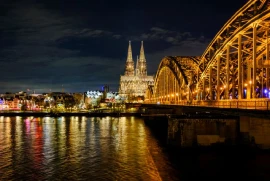
If you are travelling for cultural experiences, late November and December are truly magical. Germany is world-renowned for its Christmas markets, where cities like Nuremberg, Dresden, and Cologne come alive with festive lights, artisan crafts, and the scent of spiced glühwein. Winter is also the prime season for skiing in the mountainous regions of the south.
Popular Destinations and Cities
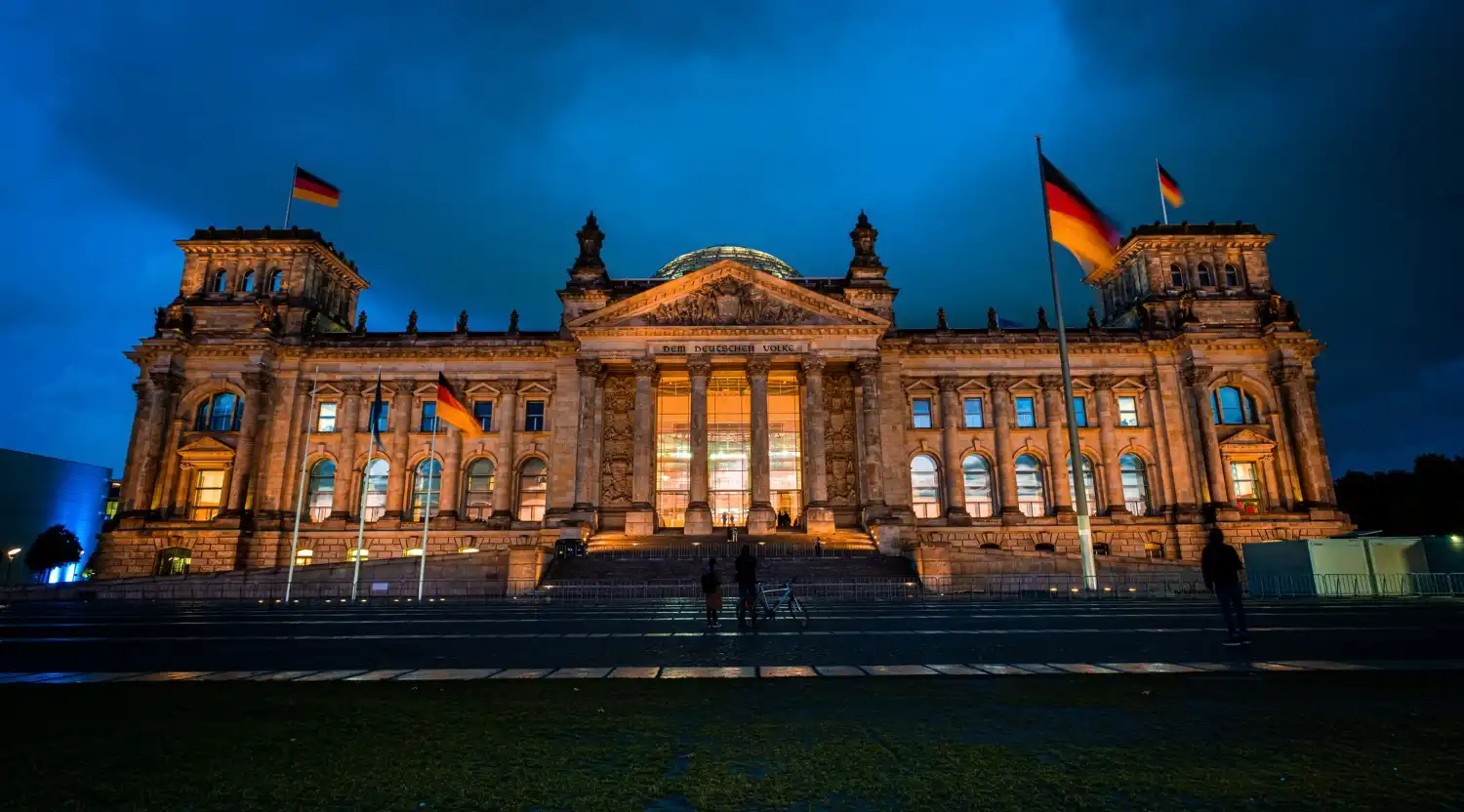
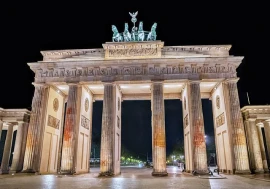
Berlin, the capital, is an essential stop for history enthusiasts and art lovers alike. Its vibrant nightlife and iconic landmarks, such as the Brandenburg Gate and the Reichstag, are balanced by numerous museums and galleries. Munich, by contrast, offers a more traditional Bavarian experience, serving as the gateway to the Alps and the site of the famous Oktoberfest. Other notable cities include:
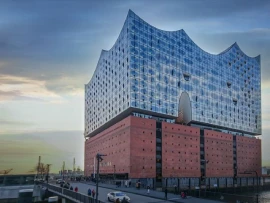
- Hamburg: A maritime hub known for its impressive harbour and unique red-brick warehouse district.
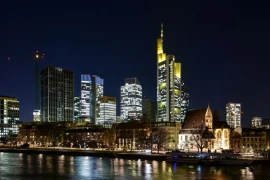
- Frankfurt: A global financial centre with a stunning skyline, often used as a convenient base for those travelling across Europe.
- Heidelberg: A picturesque university town that captures the quintessential romanticism of the German countryside.
Currency and Practical Tips
Germany uses the Euro (EUR). While credit and debit cards are widely accepted in hotels, restaurants, and larger retail stores, it is always prudent to carry some cash for smaller purchases, local markets, or bakeries, as some smaller establishments may still prefer cash payments. Tipping is customary but modest; rounding up the bill or leaving around 5-10 percent is considered appropriate in restaurants.
When selecting your accommodation, consider the proximity to local public transport hubs. Germany’s hotel landscape is exceptionally varied, ranging from historic boutique properties in converted townhouses to modern, high-rise hotels equipped with the latest business amenities. Staying near a central station often provides the best access to both city sights and regional rail lines.
Getting Around and Transportation
Germany possesses one of the most efficient transportation networks in the world. The Deutsche Bahn (DB) rail system connects almost every corner of the country. High-speed InterCity Express (ICE) trains make travelling between major hubs like Frankfurt, Munich, and Berlin incredibly fast and comfortable. Within cities, you will find integrated systems consisting of U-Bahn (underground), S-Bahn (suburban trains), trams, and buses. Purchasing a city travel card can often provide unlimited travel for a set duration, which is a cost-effective way to navigate your chosen destination.
For those wishing to explore the countryside, renting a car is a practical option, especially if you plan to drive along the scenic Romantic Road or visit the Black Forest. Remember that while the Autobahn is famous for its lack of speed limits in certain sections, there are strict rules regarding lane discipline and speed limits in urban areas and construction zones.