



Discovering the Cook Islands
The Cook Islands, a self-governing island nation in free association with New Zealand, represent one of the South Pacific's most enchanting archipelagos. Comprising 15 islands spread across a vast expanse of the ocean, the nation offers a unique blend of Polynesian culture, pristine marine environments, and a relaxed pace of life. Whether you are seeking a secluded luxury retreat or a family-friendly beachfront resort, the islands cater to a diverse range of travellers.
Best Time to Visit
The Cook Islands enjoy a tropical climate throughout the year, making it an excellent destination regardless of the season. However, the period from May to October is generally considered the peak season, offering cooler, drier weather with temperatures averaging between 20 and 25 degrees Celsius. This is ideal for swimming, snorkelling, and exploring the lush interior. The warmer, wetter months from November to April bring higher humidity and the occasional tropical shower, though these are often short-lived and followed by brilliant sunshine. Many travellers find the shoulder months of April, May, October, and November to be particularly pleasant, offering a balance of comfortable weather and fewer crowds.
Popular Destinations
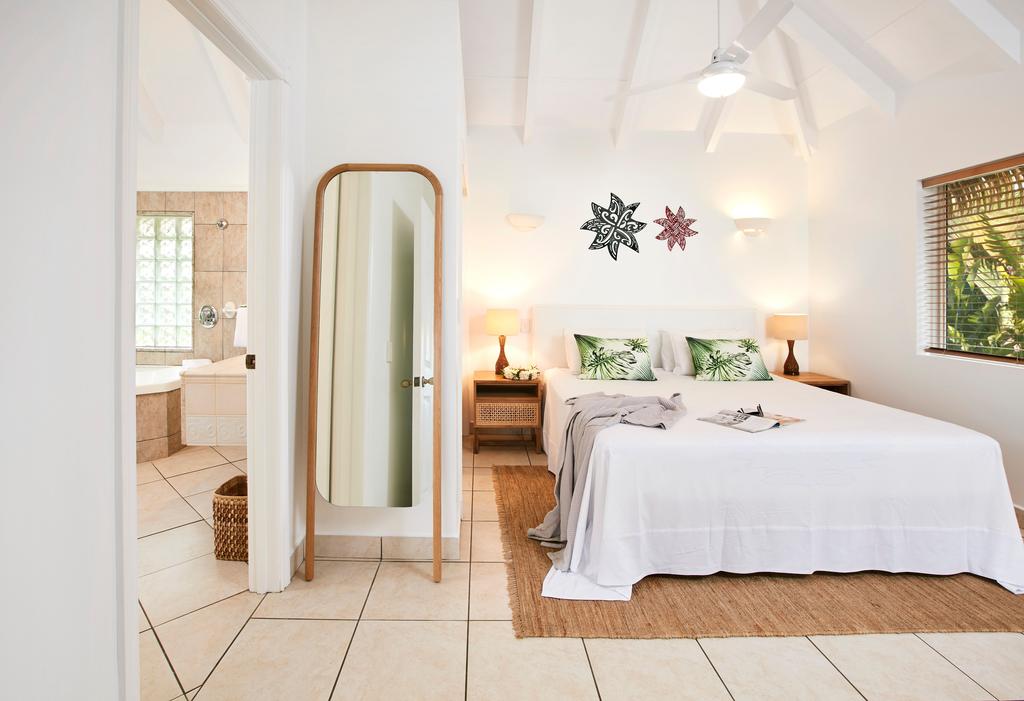
Rarotonga, the largest island, serves as the primary gateway and the hub of tourism. It is home to the capital, Avarua, and a wide selection of hotels, ranging from boutique bungalows to full-service resorts that line the white-sand beaches. The island is encircled by a coastal road, making it easy to navigate. Aitutaki is the second most visited island, renowned for its spectacular turquoise lagoon. Often described as one of the most beautiful lagoons in the world, Aitutaki offers a more intimate experience, with high-end resorts providing overwater accommodation that is perfect for those seeking seclusion and natural beauty. Other islands, such as Atiu and Mangaia, offer a more rugged, off-the-beaten-path experience for those interested in ecotourism and traditional Polynesian village life.
Currency and Financials
The official currency is the Cook Islands Dollar, which is pegged to the New Zealand Dollar. New Zealand currency is widely accepted and used interchangeably across the islands. While credit cards are accepted in most hotels, restaurants, and larger retail outlets, it is advisable to carry some cash when visiting local markets or smaller, remote settlements. Automated teller machines are readily available in Avarua and at various locations around Rarotonga, though they become less frequent once you venture to the outer islands.
Getting Around and Transportation
Transport in the Cook Islands is straightforward and contributes to the laid-back atmosphere. On Rarotonga, the island bus service is a popular and iconic way to travel, running both clockwise and anti-clockwise routes around the island. For more flexibility, many visitors choose to hire a scooter, car, or bicycle. Please note that a local driver's licence is required if you intend to rent a vehicle, and you must visit the police station in Avarua to obtain this. On smaller islands like Aitutaki, bicycles and scooters are the primary modes of transport, and the distances are short enough that many areas can be explored on foot.
Practical Travel Tips
- Respect the local culture: The Cook Islands are deeply rooted in Christian traditions. Dress modestly when visiting villages or attending church services.
- Stay hydrated: While tap water in many hotels is treated, it is always wise to check with your accommodation provider or drink bottled water if you are sensitive to changes in water quality.
- Sun protection: The tropical sun is incredibly strong. Always use high-factor sunscreen, wear a hat, and seek shade during the peak midday hours.
- Connectivity: While many hotels offer Wi-Fi, it is often purchased via data vouchers. If you require constant connectivity, purchasing a local SIM card upon arrival is a practical solution.
- Island Time: Adopt the local pace of life. Services may operate on 'island time,' meaning things happen a little more slowly than in major cities. Patience is a virtue here.