



Discovering the One Happy Island
Aruba, a constituent country of the Kingdom of the Netherlands, is widely celebrated as the One Happy Island. Located in the southern Caribbean, just north of the Venezuelan coast, it sits outside the hurricane belt, making it a year-round destination for sun-seekers. With its unique blend of Dutch heritage and Caribbean charm, Aruba offers a sophisticated yet relaxed atmosphere for every type of traveller.
The Best Time to Visit
Aruba enjoys a semi-arid climate with consistent sunshine and cooling trade winds. While the island is popular throughout the year, the peak season runs from mid-December to mid-April. During these months, the weather is perfect, though prices for accommodation are typically higher. For those looking to avoid the crowds and find better value, the months of May, June, and November offer excellent weather with fewer tourists. September and October are the warmest months, ideal for those who prefer higher temperatures for swimming and snorkelling.
Popular Destinations and Where to Stay
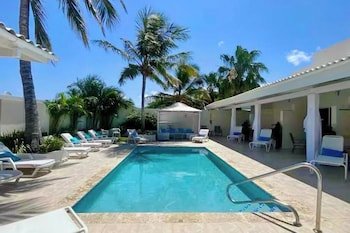
Most visitors gravitate towards the western and southern coasts, where the most famous beaches are found. Oranjestad, the colourful capital, is the heart of the island. It serves as a bustling hub for shopping, dining, and vibrant nightlife, with several elegant hotels situated within walking distance of the main harbour. For those seeking the classic Caribbean experience, Eagle Beach and Palm Beach are the premier destinations. These areas are lined with high-quality resorts and hotels that cater to families, couples, and luxury travellers alike. Palm Beach is particularly noted for its high-rise hotel district, providing easy access to water sports, casinos, and expansive retail centres. Eagle Beach offers a more tranquil environment, perfect for those wanting to stay in boutique hotels or low-rise resorts steps away from the soft, white sand.
Currency and Practical Tips
The official currency of Aruba is the Aruban Florin (AWG), but the United States Dollar is widely accepted throughout the island. Most hotels, restaurants, and shops prefer or accept USD, making it very convenient for international travellers. It is advisable to carry some smaller denominations for local markets or small purchases, though credit cards are accepted in almost all establishments.
Regarding practicalities, English is widely spoken alongside the official languages of Dutch and Papiamento. This makes navigating the island straightforward for English-speaking visitors. Always remember that the sun in Aruba is strong; using high-factor sunscreen and staying hydrated is essential.
Getting Around and Transportation
Aruba is a relatively small island, making it easy to explore. The public bus system, known as Arubus, is an efficient and cost-effective way to travel between the major resort areas and Oranjestad. For those who prefer more independence, renting a car is a popular option. Driving in Aruba is on the right-hand side of the road, and the road infrastructure is well-maintained. Taxis are also readily available at all major hotels and tourist hotspots, though they do not use meters, so it is recommended to confirm the fare with the driver before beginning your journey. For a more adventurous experience, many visitors choose to rent bicycles or join guided UTV tours to explore the rugged, windswept terrain of Arikok National Park on the eastern side of the island.
Final Recommendations
When booking your stay, consider the proximity of your hotel to the beach and local amenities. Whether you choose a resort with an all-inclusive package or a smaller, independent hotel, the island’s compact size ensures you are never far from the turquoise waters that define an Aruban holiday. By planning your transport and choosing your base strategically, you can ensure a seamless and memorable experience on this beautiful island.