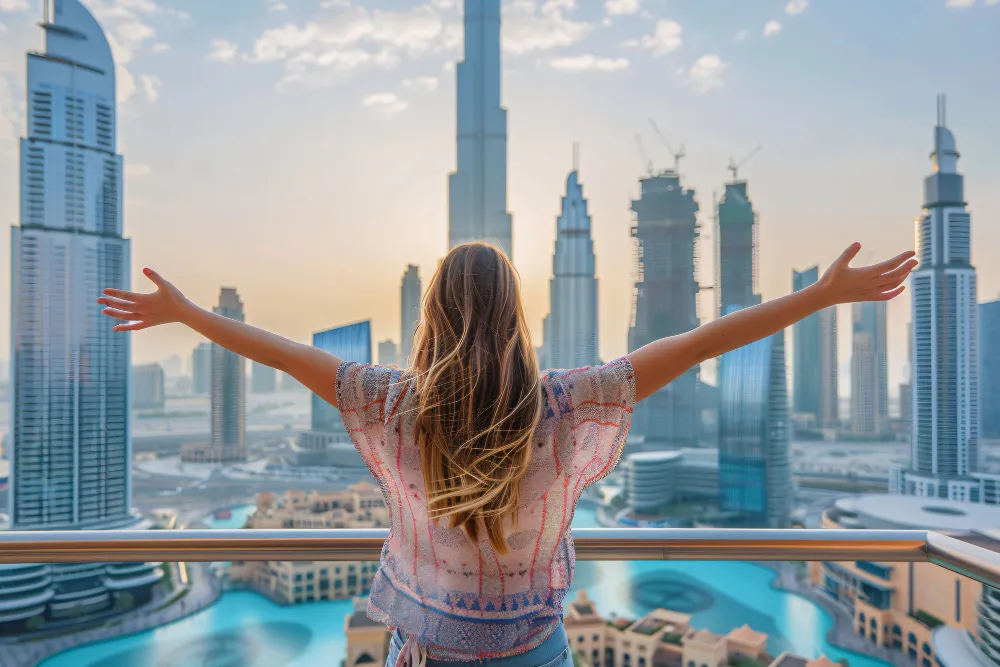
Dubai has long reigned as the undisputed king of futuristic luxury, towering skylines, and opulent shopping experiences. However, for travelers seeking similar grandeur, unique culture, or simply a more budget-friendly or less crowded experience, the question arises: what are the alternatives to Dubai travel?
Whether you're looking for destinations like Dubai but cheaper, seeking safe travel destinations during the Middle East conflict, or planning for the best experiences in 2026, this comprehensive guide unveils the world's most compelling substitutes. We’ll focus on cities that offer world-class modernity, incredible shopping, unique cultural immersion, and, crucially, fantastic value.
Why Look for Alternatives to Dubai?
While Dubai remains a marvel, several factors prompt travelers to explore other options:
Cost: Dubai’s luxury sector can quickly inflate travel budgets.
Crowds: Major attractions are often densely packed, especially during peak season.
Authenticity: Some travelers crave deeper, more organic cultural immersion than Dubai’s highly curated experience offers.
Geopolitical Sensitivity: For some, concerns over regional stability lead them to seek safe luxury cities for international travel outside immediate hotspots.
Tier 1: The Modern Marvels – Cities Like Dubai to Visit Instead
These destinations mirror Dubai’s ambition, offering state-of-the-art infrastructure, massive shopping centers, and iconic architecture, often with a richer historical backdrop.
1. Singapore: The Garden City of the East
Singapore is perhaps the closest parallel to Dubai in terms of meticulous urban planning, cleanliness, and futuristic architecture. It excels where Dubai focuses on sheer size—on efficiency and green integration.
Key Similarities and Differences:
Architecture & Scale: Marina Bay Sands rivals the Burj Al Arab in iconic status. The Gardens by the Bay offers a stunning, futuristic natural landscape.
Culture: Singapore offers a vibrant fusion of Chinese, Malay, and Indian cultures, providing a deeper, more diverse cultural tapestry than Dubai.
Safety: Consistently ranked among the safest cities globally, making it a top choice for safe travel destinations during the Middle East conflict considerations.
2. Kuala Lumpur, Malaysia (KL): Emerging Powerhouse
For those seeking travel alternatives to Dubai vacation that offer skyscraper ambition coupled with accessible culture and lower prices, Kuala Lumpur is a prime contender. The Petronas Twin Towers are a testament to modern engineering.
The KL Advantage:
KL offers luxury amenities, incredible rooftop bars, and phenomenal shopping malls, but at a significantly lower price point than Dubai. Furthermore, the ease of accessing authentic street food experiences, ancient temples, and lush rainforests nearby provides a balanced travel portfolio.
This is an example video showcasing the architectural marvels of Singapore.
3. Seoul, South Korea: Tech Meets Tradition
Seoul represents the pinnacle of technological advancement and trendsetting culture. If your Dubai draw was the futuristic element, Seoul delivers cutting-edge technology, high-speed connectivity, and unparalleled consumer experiences.
Why Seoul Beats the Glitz:
While lacking the desert backdrop, Seoul compensates with vibrant nightlife, historic palaces (like Gyeongbokgung), and the world’s best K-Beauty and electronics shopping. It’s a hub of innovation, making it one of the best travel alternatives to Dubai in 2026 for tech enthusiasts.
Tier 2: The Budget-Friendly & Culturally Rich Substitutes
These destinations provide significant luxury and excellent infrastructure but come with a much more favorable exchange rate, making them ideal destinations like Dubai but cheaper.
4. Istanbul, Turkey: Where Continents Collide
Istanbul offers an intoxicating blend of history, massive modern retail centers, and unparalleled hospitality. While it shares a regional proximity with the Middle East, its unique geopolitical position often offers a different travel dynamic.
The Allure of Istanbul:
Shopping Grandeur: Imagine the Dubai Mall, but swap it for the Grand Bazaar and the Spice Bazaar—centuries-old shopping experiences combined with modern malls like Zorlu Center.
Luxury Experience: World-class hotels line the Bosphorus, offering stunning waterfront views that rival Dubai Marina.
Cultural Depth: Visiting the Hagia Sophia and the Blue Mosque offers a historical resonance that Dubai, being a relatively young city, simply cannot match.
5. Bangkok, Thailand: The Eastern Metropolis
Bangkok is synonymous with vibrant street life, incredible value, and rapidly developing modern infrastructure. It’s a strong choice for travelers seeking high-end experiences without the high-end price tag.
Bangkok’s Dubai-Like Offerings:
Bangkok boasts some of the world's largest shopping centers (Siam Paragon, Central World) and an emerging skyline dotted with breathtaking rooftop bars. The hospitality sector is world-renowned, offering 5-star service at 3-star prices compared to the UAE.
For travelers prioritizing safety in uncertain times, Southeast Asian hubs like Bangkok and Singapore consistently rank highly for stability and traveler security.
Tier 3: Safe Luxury Cities for International Travel (Focus on Security)
For travelers whose primary concern is finding a safe luxury city for international travel, especially when navigating complex global situations, certain destinations outside the immediate Middle East region offer impeccable security and five-star amenities.
6. Hong Kong: Vertical City of Commerce
Before recent shifts, Hong Kong was often compared directly to Dubai for its vertical ambition and status as a global financial hub. It remains an incredible destination for luxury shopping and breathtaking urban vistas.
Why Hong Kong Endures:
The sheer density of skyscrapers, the efficient public transport, and world-class dining make it a modern marvel. The views from Victoria Peak are iconic, rivaling any vista from the Burj Khalifa.
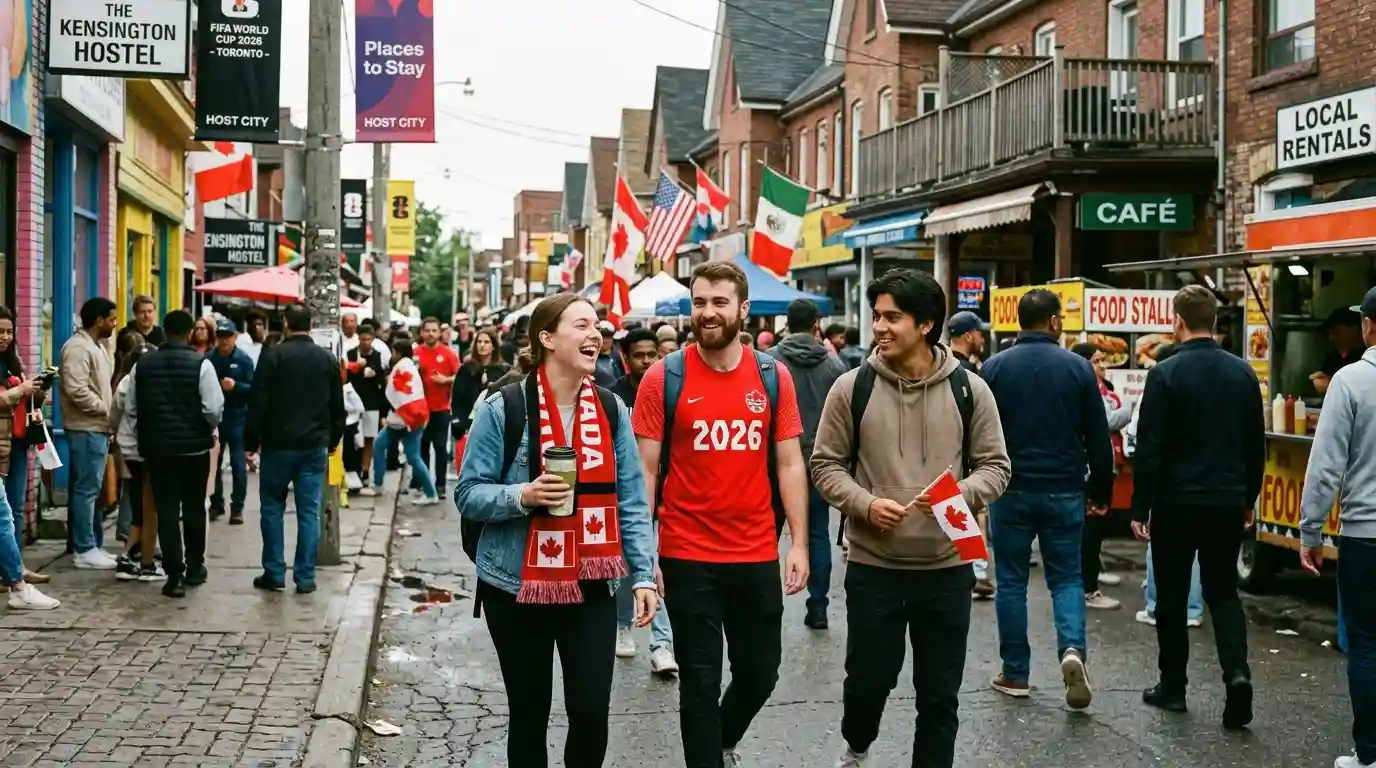
7. Toronto, Canada: North American Modernity
If the draw to Dubai was its clean, organized, and highly modern environment, Toronto offers this in a safe, welcoming North American context. It is a truly multicultural city with excellent infrastructure.
Toronto’s Appeal:
While it may not have the same desert flair, Toronto offers sprawling urban parks, the iconic CN Tower, and high-end shopping districts like Yorkville. Its reputation as a highly safe and stable global city makes it a top choice for many international travelers planning for 2026.
Comparing Travel Priorities: Dubai vs. Alternatives
To help finalize your choice among these travel alternatives to Dubai vacation spots, consider this comparative breakdown based on traveler intent:
Millennia of history blended seamlessly with modern amenities.
Guaranteed Safety & Stability
Singapore / Toronto
Extremely low crime rates and high political stability.
Shopping Scale
Hong Kong / Singapore
Dense concentration of world-class retail districts.
Focus on 2026 Planning: The Future of Travel
As we look toward best travel alternatives to Dubai in 2026, stability and sustainability will become increasingly important factors. Cities that have invested heavily in green infrastructure (like Singapore) or have robust, diversified economies (like Toronto or Seoul) are poised to offer more consistent travel experiences.
The trend suggests a move away from purely manufactured luxury toward experiences that blend modernity with authentic local flavor. The alternatives listed here—Singapore’s green tech, Istanbul’s living history, and Bangkok’s accessible vibrancy—perfectly capture this evolving traveler preference.
Deep Dive: Safety Considerations in the Middle East Region
For travelers specifically concerned about safe travel destinations during the Middle East conflict, understanding the regional geography is key. While the UAE generally maintains high security standards, exploring alternatives further afield can offer peace of mind.
Destinations like Singapore, while geographically distant, are often cited by travel advisories as having exceptionally low risk profiles for international visitors. Similarly, established hubs in Asia (like Bangkok) and North America (like Toronto) offer predictable security environments, making them strong contenders when geopolitical factors influence decision-making.
The Urban Contrast: Manufactured vs. Organic Growth
Dubai’s appeal is its rapid, top-down development—a master-planned city built on ambition. The alternatives often offer organic growth, where new skyscrapers rise alongside ancient markets.
For example, in Kuala Lumpur, you can spend the morning exploring the Batu Caves, an ancient Hindu shrine, and the afternoon shopping in the hyper-modern Pavilion KL mall. This juxtaposition provides a more rounded travel narrative than the often singular focus on modernity found in Dubai.
Similarly, Istanbul’s identity is rooted in its history as Constantinople and the Ottoman capital. Experiencing the Hagia Sophia or Topkapi Palace provides an immediate, tangible connection to world history—many of these historic landmarks are recognised by organisations such as the UNESCO World Heritage Centre, which highlights sites of outstanding cultural significance around the globe.
Conclusion: Your Next Grand Adventure Awaits
Dubai will always be Dubai—a beacon of spectacular, engineered luxury. However, the world is full of incredible destinations that offer similar levels of comfort, excitement, and architectural wonder, often at a better value or with a richer cultural payload.
Whether you choose the green precision of Singapore, the historical dynamism of Istanbul, or the technological buzz of Seoul, you are choosing an experience that offers a compelling, and perhaps more balanced, alternative to Dubai travel. Start planning your 2026 trip now to secure the best experiences in these rising global stars!
Frequently Asked Questions
Which destinations are considered cheaper travel alternatives to Dubai?
The most budget-friendly yet high-quality alternatives to Dubai are generally found in Southeast Asia, specifically Kuala Lumpur, Malaysia, and Bangkok, Thailand. These cities offer world-class shopping, modern hotels, and excellent dining experiences at a significantly lower cost of living and tourism expenditure compared to the UAE.
Are there safe luxury cities to visit instead of Dubai, considering current geopolitical concerns?
Yes. For travelers prioritizing guaranteed safety and stability, cities like Singapore and Toronto are excellent choices. Singapore is renowned for its extremely low crime rates and political stability, while Toronto offers a secure, multicultural environment with high-end amenities and infrastructure, making them ideal safe luxury cities for international travel.
What city best rivals Dubai's futuristic architecture and modernity?
Singapore is often cited as the closest rival to Dubai in terms of futuristic urban planning and modern architecture. With attractions like the Gardens by the Bay and Marina Bay Sands, Singapore showcases similar large-scale, innovative design, though it emphasizes green integration more heavily than Dubai's desert focus.
If I want an experience blending history with modern luxury, which alternative is best?
Istanbul, Turkey, provides the best blend of deep historical immersion and modern luxury. Travelers can explore ancient wonders like the Hagia Sophia and then enjoy high-end shopping and dining experiences along the Bosphorus, offering a cultural depth often sought in Dubai alternatives.
What are the best travel alternatives to Dubai vacation spots to watch for in 2026?
Looking ahead to 2026, Seoul, South Korea, and emerging Southeast Asian hubs are predicted to gain prominence. Seoul offers unparalleled technological integration and trendsetting culture, appealing to modern travelers, while established destinations like Singapore will continue to invest in sustainable, high-quality tourism infrastructure.